
Spicy Sichuan Mapo Tofu
Mapo tofu is a Sichuan dish of soft tofu in a sauce of spicy broad bean paste (doubanjiang) and numbing Sichuan pepper. The key is blanching the tofu in salted water before cooking so the cubes hold together instead of breaking up in the sauce.
- Prep
- 15 min
- Cook
- 15 min
- Total
- 30 min
- Calories
- 280
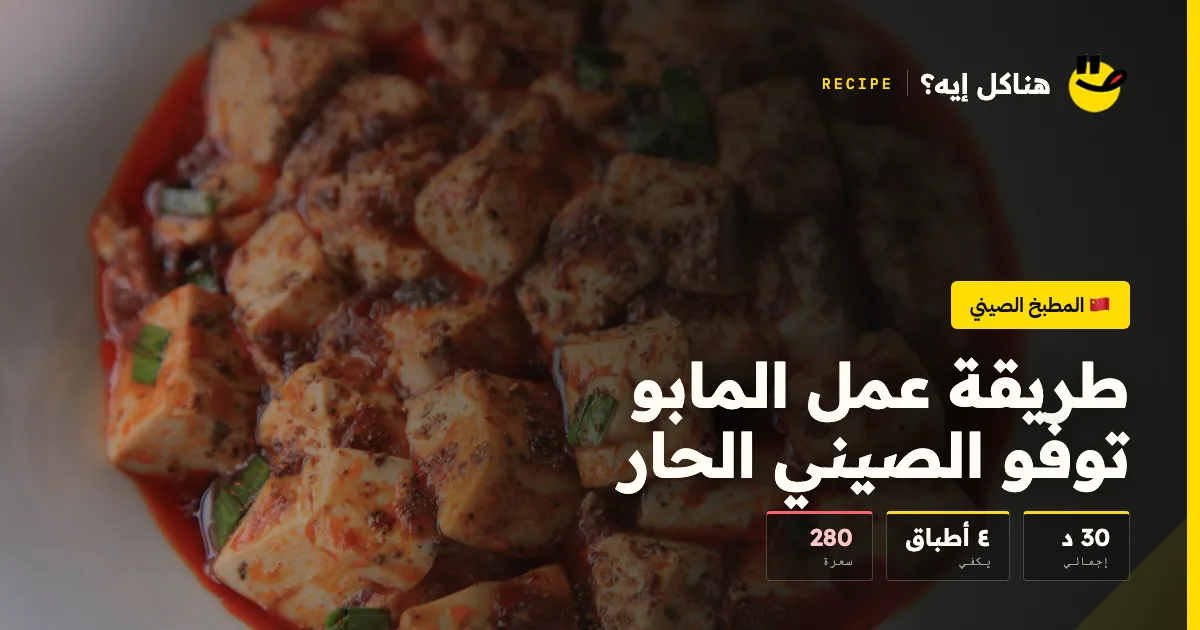
Photo: Sichuanfoodlover — CC BY-SA 4.0 · Wikimedia Commons
Mapo tofu is the best-known Sichuan dish in the world — cheap, fast, and entirely vegetarian if you leave out the meat. It carries two different kinds of heat: the burn of chilli and the numbing tingle of Sichuan pepper.
Method
-
1
Blanch the tofu
Cut the tofu into 2 cm cubes. Bring water to a gentle simmer with a teaspoon of salt, add the tofu and leave it two minutes. This tightens the protein so the cubes hold together in the sauce, and it removes the raw beany taste. Drain gently.
-
2
Brown the meat
Heat the oil in a wok or wide pan over high heat and brown the mince until it loses its pink colour and begins to colour — about 4 minutes. For the vegetarian version, skip this and start at the next step with the same amount of oil.
-
3
Bloom the pastes
Lower to medium heat, add the doubanjiang and stir for a full minute until the oil turns red and the smell changes. This is the most important step in the dish — unbloomed paste tastes raw and salty. Add the garlic and ginger and stir 30 seconds.
-
4
Stock and tofu
Pour in the stock and bring it to a gentle simmer. Lower the tofu cubes in carefully and do not stir with a spoon — swirl the pan itself in a circular motion so the tofu does not break. Simmer gently for 5 minutes so it absorbs the sauce.
-
5
Thicken in three stages
Add a third of the cornflour slurry and swirl the pan, then wait half a minute for it to thicken. Repeat twice more. This gradual thickening is the traditional Chinese method and gives a glossy sauce that coats the tofu — adding it all at once gives a heavy, gelatinous texture.
-
6
Finish and serve
Turn off the heat and scatter over the ground Sichuan pepper and spring onion. The pepper goes in at the end because its aromatic oil is volatile and disappears under prolonged heat. Serve immediately, very hot, with white rice.
Cooked it? Rate it
Your rating tells the next cook whether this recipe is worth their time.
✓ Thanks — your rating is in.
Tips that actually matter
- Two minutes of blanching in salted water is the difference between intact cubes and a mashed dish.
- Swirl the pan rather than stirring with a spoon — soft tofu breaks at the first touch.
- Sichuan pepper is not hot — it is numbing, giving a distinctive tingle. Without it the dish is still good but loses its signature.
- Doubanjiang substitute: tomato paste + chilli + a spoon of miso or soy sauce — an approximation, not a match.
People also ask
Why does my tofu break up in the sauce?
You did not blanch it first. Two minutes in salted simmering water tightens the protein so the cubes hold. Stirring with a spoon is the other cause — swirl the pan in a circle instead.
Can I make it vegetarian?
Yes — skip the mince and start at the paste-blooming step with the same amount of oil, using vegetable stock. You can add finely chopped mushrooms in place of the meat for texture and umami.
What can replace doubanjiang?
Nothing matches it exactly, but tomato paste with chilli and a spoon of miso or soy sauce comes close. Doubanjiang is sold in Asian grocers and keeps for months in the fridge.
Why thicken in three stages?
It is the traditional Chinese method and gives a glossy sauce that coats the tofu precisely. Adding the starch all at once produces a heavy, gelatinous texture, and you cannot undo it if it goes too far.
Cook mode
Spicy Sichuan Mapo Tofu
-
1
Blanch the tofu
Cut the tofu into 2 cm cubes. Bring water to a gentle simmer with a teaspoon of salt, add the tofu and leave it two minutes. This tightens the protein so the cubes hold together in the sauce, and it removes the raw beany taste. Drain gently.
-
2
Brown the meat
Heat the oil in a wok or wide pan over high heat and brown the mince until it loses its pink colour and begins to colour — about 4 minutes. For the vegetarian version, skip this and start at the next step with the same amount of oil.
-
3
Bloom the pastes
Lower to medium heat, add the doubanjiang and stir for a full minute until the oil turns red and the smell changes. This is the most important step in the dish — unbloomed paste tastes raw and salty. Add the garlic and ginger and stir 30 seconds.
-
4
Stock and tofu
Pour in the stock and bring it to a gentle simmer. Lower the tofu cubes in carefully and do not stir with a spoon — swirl the pan itself in a circular motion so the tofu does not break. Simmer gently for 5 minutes so it absorbs the sauce.
-
5
Thicken in three stages
Add a third of the cornflour slurry and swirl the pan, then wait half a minute for it to thicken. Repeat twice more. This gradual thickening is the traditional Chinese method and gives a glossy sauce that coats the tofu — adding it all at once gives a heavy, gelatinous texture.
-
6
Finish and serve
Turn off the heat and scatter over the ground Sichuan pepper and spring onion. The pepper goes in at the end because its aromatic oil is volatile and disappears under prolonged heat. Serve immediately, very hot, with white rice.



Comments
Cooked it? Tell us how it went, or ask a question — we read every comment.