
 Korea
70 min
Korea
70 min
Korean Fried Chicken with Spicy Sauce
Medium
4 servings
Korea · East Asia · 6 recipes
Korean cooking is fermentation and fire. Gochujang and kimchi carry the depth; the grill at the centre of the table does the rest.
Korea
70 min
 Korea
37 min
Korea
37 min
 Korea
55 min
Korea
55 min
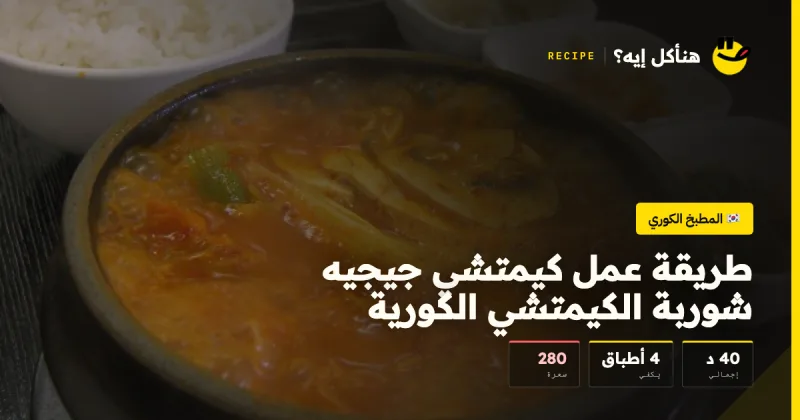 Korea
40 min
Korea
40 min
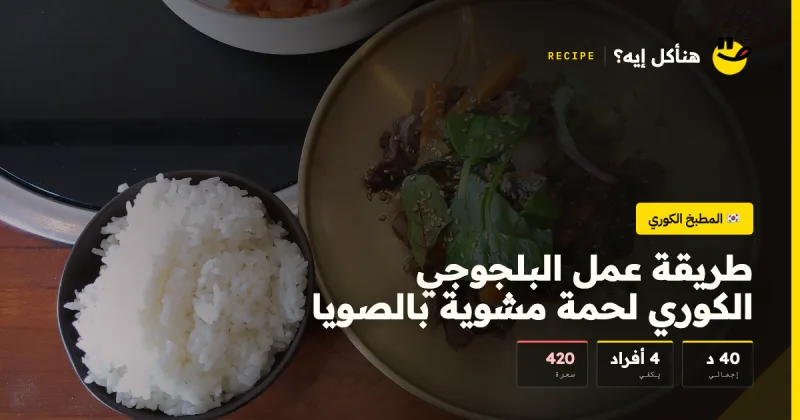 Korea
40 min
Korea
40 min
 Korea
60 min
Korea
60 min
Korean cooking is built on fermentation more than any other Asian cuisine, and that fermentation isn't a side technique — it's the foundation of flavour in half the dishes.
Kimchi is napa cabbage salted and coated in a paste of chilli, garlic, ginger and fermented seafood, then left to ferment for days or weeks. It's served with virtually every Korean meal and goes into soups and fried rice as an ingredient in its own right.
Fermented red chilli paste: hot, sweet, salty and deep all at once. It's what gives bibimbap and tteokbokki their identity.
A Korean meal isn't a single plate — it's a main dish, rice and soup surrounded by five to ten small side dishes (banchan), refilled free in restaurants.
Rice in a bowl topped with vegetables seasoned separately, meat, an egg and a spoon of gochujang, all mixed together at the table. In a hot stone bowl, the rice forms a crisp crust at the bottom.

A guide to Korean cooking: bibimbap, bulgogi, tteokbokki, fried chicken and kimchi jjigae — fermentation, gochujang, and the techniques that matter.
5 min read