
 Iran
120 min
Iran
120 min
Persian Tahchin with Saffron and Chicken
Medium
6 servings
Iran · The Middle East · 6 recipes
Persian cooking is patient. Rice is parboiled then steamed until it forms a crust, and the stews are sour with dried lime, pomegranate or unripe grape.
Iran
120 min
 Iran
820 min
Iran
820 min
 Iran
102 min
Iran
102 min
 Iran
145 min
Iran
145 min
 Iran
145 min
Iran
145 min
 Iran
115 min
Iran
115 min
Persian cooking is one of the oldest developed cuisines in the world, and it is nothing like the stereotype of Middle Eastern food: not hot, not heavy with spice, and built on a balance of sour, sweet and herbal.
Rice in Iran is a discipline of its own. It's soaked in salted water for hours, parboiled, drained, then steamed in the pot over a very low flame. The result is long, entirely separate grains — and at the bottom a golden crisp crust called tahdig, the best part of the dish, shared around the table.
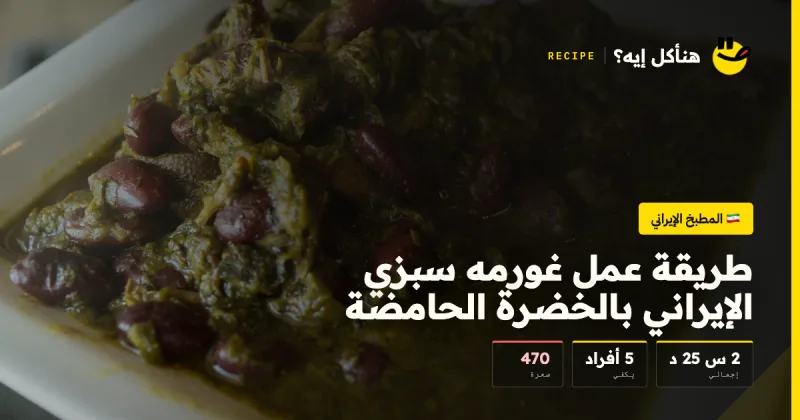
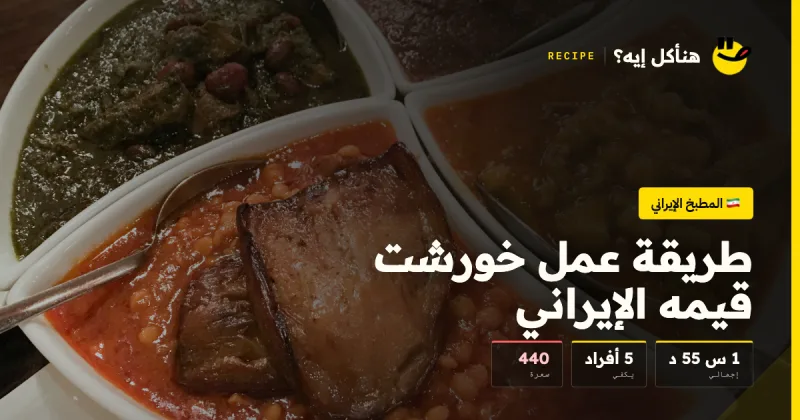
Khoresh is the Persian stew served over rice. Ghormeh sabzi with herbs and dried lime, gheimeh with yellow split peas, fesenjan with pomegranate molasses and walnuts. All simmer for hours.
Dried lime, unripe grape juice and pomegranate molasses give Persian food its acidity, while coriander, fenugreek, parsley and leek give it its herbal layer. That combination is the Persian signature.
Iran is the world's largest saffron producer, and it goes into rice, sweets and drinks. It's steeped in warm water or ice before use so the colour and aroma come out.

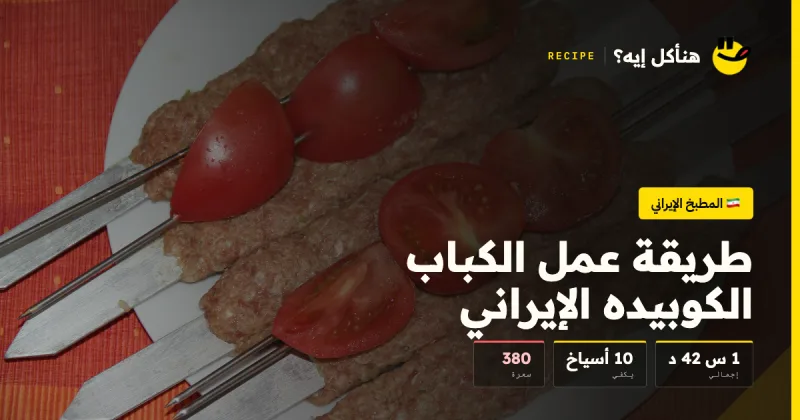
A guide to Persian cooking: tahchin, ash reshteh, koobideh kebab, zereshk polo and ghormeh sabzi — tahdig, using saffron properly, and Persian sources of sourness.
4 min read