
South Indian Idli with Sambar
Idli consists of steamed discs made from soaked and ground rice and decorticated black gram, fermented for 8-12 hours using natural bacteria without added yeast. This fermentation creates the spongy texture and distinct sour taste, while also aiding digestion.
- Prep
- 30 min
- Cook
- 20 min
- Total
- 50 min
- Calories
- 180
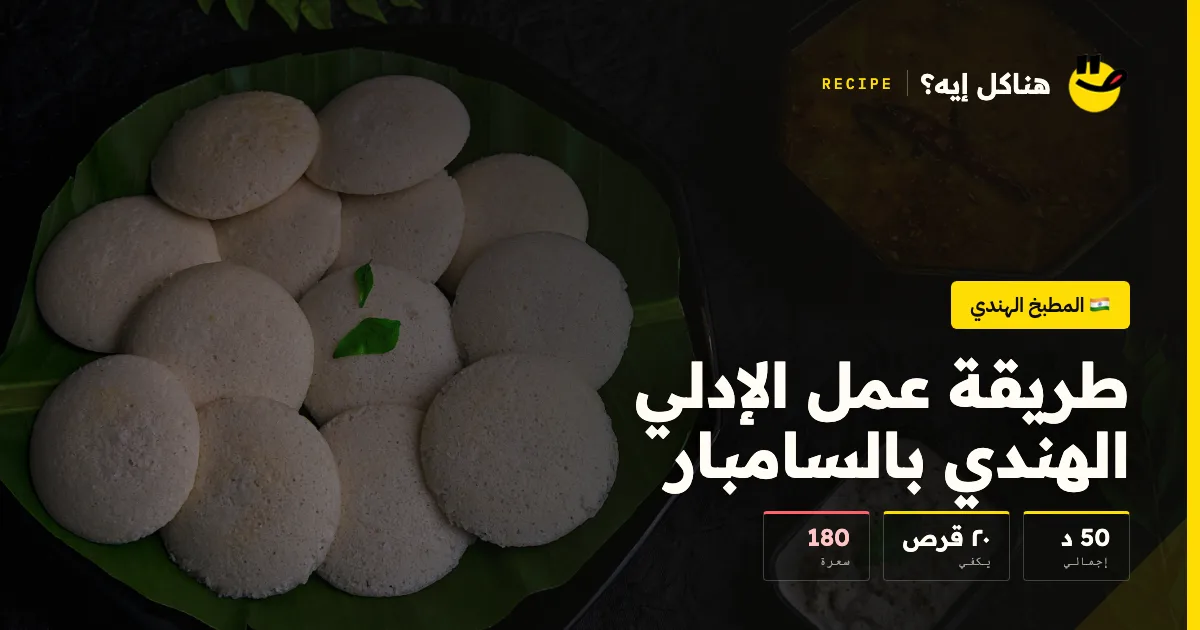
Photo: Sutapa Pal — CC BY-SA 4.0 · Wikimedia Commons
Idli is the quintessential South Indian breakfast, and it is one of the lightest foods on the stomach because it is fermented and steamed rather than fried. Its natural fermentation is based on the same principle as sourdough bread.
Method
-
1
Separate Soaking
Soak the rice on its own and the black gram with fenugreek together in plenty of water for 4-6 hours. Separate soaking is essential because each requires a different grinding consistency.
-
2
Grinding the Lentils
Grind the drained lentils with a little cold water added gradually until very smooth, fluffy, and light. Cold water is important because grinding generates heat, and heat harms the bacteria responsible for fermentation.
-
3
Grinding the Rice
Grind the rice until smooth with slight graininess (not as smooth as the lentils). This difference is intentional—the lentils provide the rise and the rice provides the structure.
-
4
Mixing by Hand
Mix both with your hands for 2 minutes and add the salt. The natural bacteria present on your hands help initiate fermentation; this is not a myth, but a well-known part of the traditional method.
-
5
Fermentation
Cover the batter in a very large bowl (it will expand), and leave it in a warm place for 8-12 hours. The sign of readiness: it doubles in volume, becomes full of bubbles, and has a mildly sour aroma. In cold weather, place it in an unheated oven with the light turned on.
-
6
Steaming
Grease the idli molds with oil, and fill each cavity to three-quarters full (do not mix the batter violently—the bubbles provide the rise). Steam over boiling water for 10-12 minutes. A toothpick inserted should come out clean.
-
7
Making the Sambar
Boil the yellow lentils with turmeric until thoroughly soft—30 minutes. Sauté the mustard seeds and curry leaves in oil until they pop, then add the onion, tomato, sambar powder, and tamarind paste. Add the mashed lentils and water, and let it simmer for 15 minutes.
-
8
Serving
Remove the idli using a wet spoon after letting them rest for 2 minutes, and serve hot with sambar and coconut chutney. Idli hardens as it cools, so reheat it by steaming for 2 minutes if necessary.
Cooked it? Rate it
Your rating tells the next cook whether this recipe is worth their time.
✓ Thanks — your rating is in.
Tips that actually matter
- Soak the rice and lentils separately—each requires a different grinding consistency.
- Use cold water while grinding so the heat does not harm the bacteria.
- Mix with your hands for 2 minutes—it helps jumpstart the fermentation process.
- Use a very large bowl because the batter will double in size.
- Do not mix the batter vigorously after fermentation so you do not deflate the bubbles.
People also ask
The batter didn't ferment—why?
The weather is likely too cold. The batter needs 25-30 °C. Place it in an unheated oven with the light on, or in the microwave with a cup of boiling water next to it. Another reason: hot water used during grinding damaged the bacteria.
Can I make this without idli molds?
Yes—use small grease-proof oil-coated bowls (like small cups) inside a steamer basket, or a metal muffin tin. The important thing is that the cavity is shallow so the steam reaches the center.
The idli turned out dense instead of spongy?
Either fermentation is incomplete, you mixed the batter too roughly after fermentation and deflated the bubbles, or the lentil ratio was too low. The ratio is 3:1 rice to lentils, and fermentation should continue until the volume truly doubles.
What is the use of leftover batter?
It keeps in the fridge for 3-4 days and becomes tarter. Use it to make dosa (spread thin on a skillet)—this is the traditional use for the batter after the first day.
Cook mode
South Indian Idli with Sambar
-
1
Separate Soaking
Soak the rice on its own and the black gram with fenugreek together in plenty of water for 4-6 hours. Separate soaking is essential because each requires a different grinding consistency.
-
2
Grinding the Lentils
Grind the drained lentils with a little cold water added gradually until very smooth, fluffy, and light. Cold water is important because grinding generates heat, and heat harms the bacteria responsible for fermentation.
-
3
Grinding the Rice
Grind the rice until smooth with slight graininess (not as smooth as the lentils). This difference is intentional—the lentils provide the rise and the rice provides the structure.
-
4
Mixing by Hand
Mix both with your hands for 2 minutes and add the salt. The natural bacteria present on your hands help initiate fermentation; this is not a myth, but a well-known part of the traditional method.
-
5
Fermentation
Cover the batter in a very large bowl (it will expand), and leave it in a warm place for 8-12 hours. The sign of readiness: it doubles in volume, becomes full of bubbles, and has a mildly sour aroma. In cold weather, place it in an unheated oven with the light turned on.
-
6
Steaming
Grease the idli molds with oil, and fill each cavity to three-quarters full (do not mix the batter violently—the bubbles provide the rise). Steam over boiling water for 10-12 minutes. A toothpick inserted should come out clean.
-
7
Making the Sambar
Boil the yellow lentils with turmeric until thoroughly soft—30 minutes. Sauté the mustard seeds and curry leaves in oil until they pop, then add the onion, tomato, sambar powder, and tamarind paste. Add the mashed lentils and water, and let it simmer for 15 minutes.
-
8
Serving
Remove the idli using a wet spoon after letting them rest for 2 minutes, and serve hot with sambar and coconut chutney. Idli hardens as it cools, so reheat it by steaming for 2 minutes if necessary.




Comments
Cooked it? Tell us how it went, or ask a question — we read every comment.