
Best Orange and Fruit Juicers in Egypt: Citrus, Centrifugal, or Slow?
The takeaway: If most of your work is oranges and lemons, an electric citrus juicer is enough and cheaper (Braun CJ3050, or Black+Decker CJ650 on a lower budget). For carrots and apples, get a centrifugal one (Moulinex Frutelia for light use, and Kenwood JEP02 or Braun J500 for a family). If you juice greens and leafy vegetables and want dry pulp, a slow juicer like Arshia SJ478. And sugarcane needs a special machine.
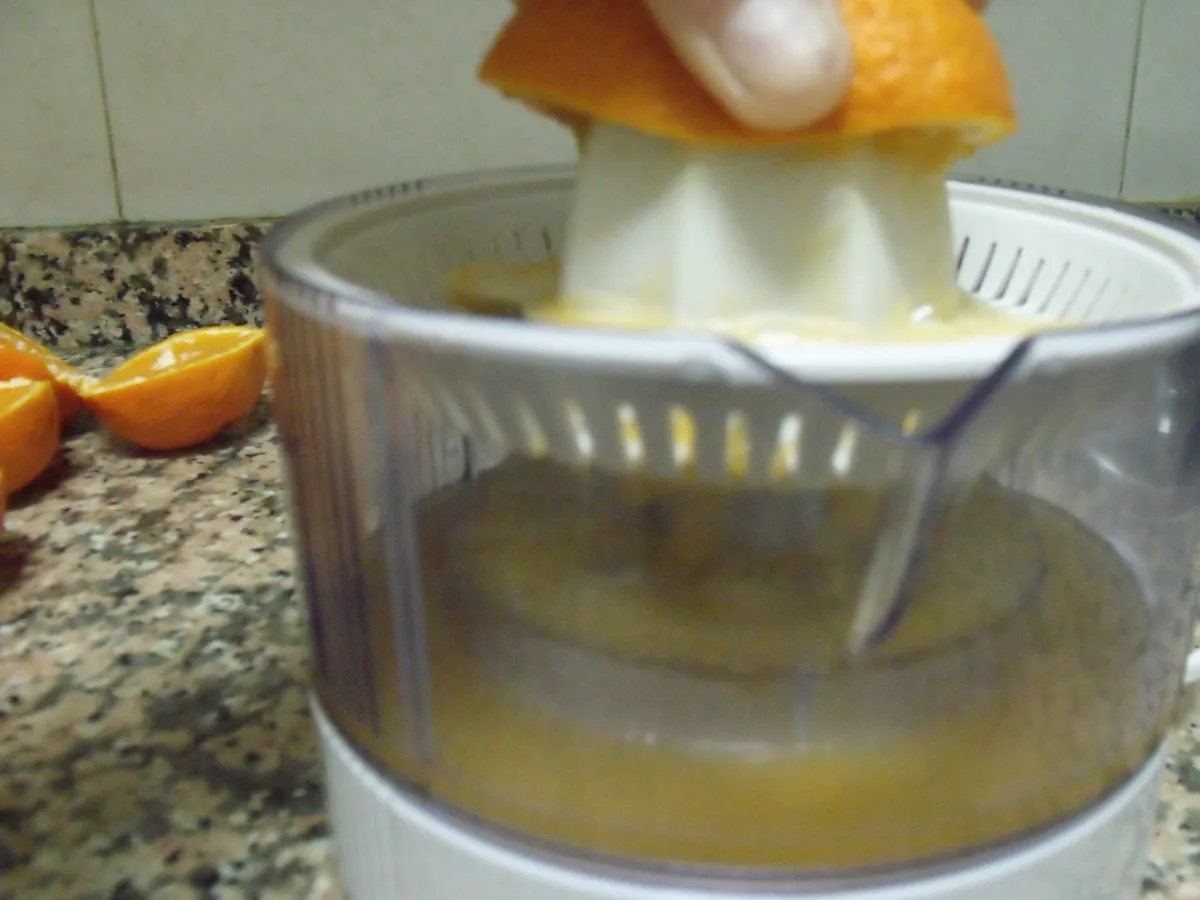
Photo: 19Tarrestnom65 — CC BY-SA 4.0 · Wikimedia Commons
Which Type and Which Size?
- Citrus juicer: A cone that spins under half an orange or lemon. The cheapest type and easiest to clean, but for citrus only.
- Centrifugal juicer: A blade and filter that spin at high speed and separate the juice from the pulp. Fast with a wide chute, and juices carrots, apples, cucumbers, and beets. It is noisy and its juice has foam.
- Slow juicer (cold press): An auger that spins slowly and presses the fruit. Quieter, leaves drier pulp, and juices greens like spinach and celery better, but is more expensive, slower, and cleaning takes longer.
And depending on your family:
- One or two people: A half-liter citrus juicer is enough, or the one that pours directly into the glass.
- A family of 4 or 5:pora: A citrus juicer with a pitcher of about a liter, or a centrifugal one if you juice carrots and apples.
- Juicing every day in quantities: A large pulp container makes a difference, because the small one fills up halfway through and you have to stop to empty it.
Oranges and Lemons: The Citrus Juicer is Enough
If you make two glasses of orange juice in the morning and lemons for cooking, the citrus juicer is the most suitable, and you don't need a centrifugal one. Cut the orange in half horizontally and press gently. Hard pressing squeezes the white pith and makes the juice bitter. Oranges at room temperature yield more juice than cold ones, and before cutting the lemon, roll it on the counter while pressing on it.
In the orange season in winter, many people juice quantities and put them in the fridge. Fresh juice tastes better, so juice only what you will drink on the same day.
Carrots, Apples, and Cucumbers
These need a centrifugal or slow juicer. 350 watts is enough for light juice a few times a week, and 800 watts and more if you juice hard carrots in quantities. The wide chute saves you from cutting apples. Drink the juice right away, because the foam settles and the color of apple juice darkens over time.
Sugarcane, Mango, and Guava
Sugarcane stalks are hard and very fibrous, and juice shops press them with a special roller machine. The juicers on this list are not made for sugarcane, so do not put it in any juicer unless the sales page says explicitly that it juices it. Mangoes, guava, and bananas are fleshy fruits, which turn out better in the blender with water or milk, not in the juicer.
Before You Buy
- Make sure it is 220–240 volts and the plug is suitable, because there are versions with a European plug.
- Check the warranty: Many Kenwood and Braun juicers on Amazon Egypt say "international warranty", so ask who will repair it.
- Count the parts as soon as the shipment arrives: the filter, the pusher, the juice pitcher, the pulp container, and the brush if listed.
- For a slow juicer from an uncommon brand, ask about spare parts before you pay, because if the filter or auger breaks, you will need a part for the exact model.
- Read the latest reviews for the exact model: leaks from under the motor or a cracked filter show up in them early.
Cleaning
Wash the juicer right away after use, before the pulp dries in the filter. A soft brush under running water cleans the filter holes, and check the sales page to see which parts are dishwasher safe. If you juice a lot of carrots, the plastic parts might take on an orange tint, and this is not a defect in the appliance. If the juicer has many parts, take it apart and put it together once before first use to get used to it.
FAQ
Orange juicer or blender for juice?
The juicer separates the juice from the pulp, so you get light juice. The blender grinds the whole fruit, so the juice comes out thick and contains fiber. For oranges and lemons, the juicer is better, and for mangoes, bananas, and guava, the blender is better.
Is the slow juicer worth the price difference?
If you juice vegetables and greens every day, yes: it is quieter and the pulp is drier. If you only make oranges, no, a citrus juicer is enough. If you make carrots and apples once a week, the centrifugal one is faster and cheaper.
Can I juice sugarcane in the home juicer?
Regular home juicers are not made for sugarcane stalks. Sugarcane is pressed with a special roller machine, and do not put it in a juicer unless its sales page explicitly says it juices sugarcane.
How do I clean the juicer filter?
Rinse it right away after use, and wipe the holes with a soft brush under running water. If the pulp has dried, leave it in warm soapy water for a quarter of an hour first. Do not use steel wool on the filter.

Comments
Cooked it? Tell us how it went, or ask a question — we read every comment.