
Indian Cuisine: The Spices and Techniques That Actually Matter
Indian cooking is not about a jar labelled curry powder — that is a British invention. It is about blooming whole spices in hot fat and browning onion properly. Those two techniques account for most of the distance between home cooking and restaurant results.
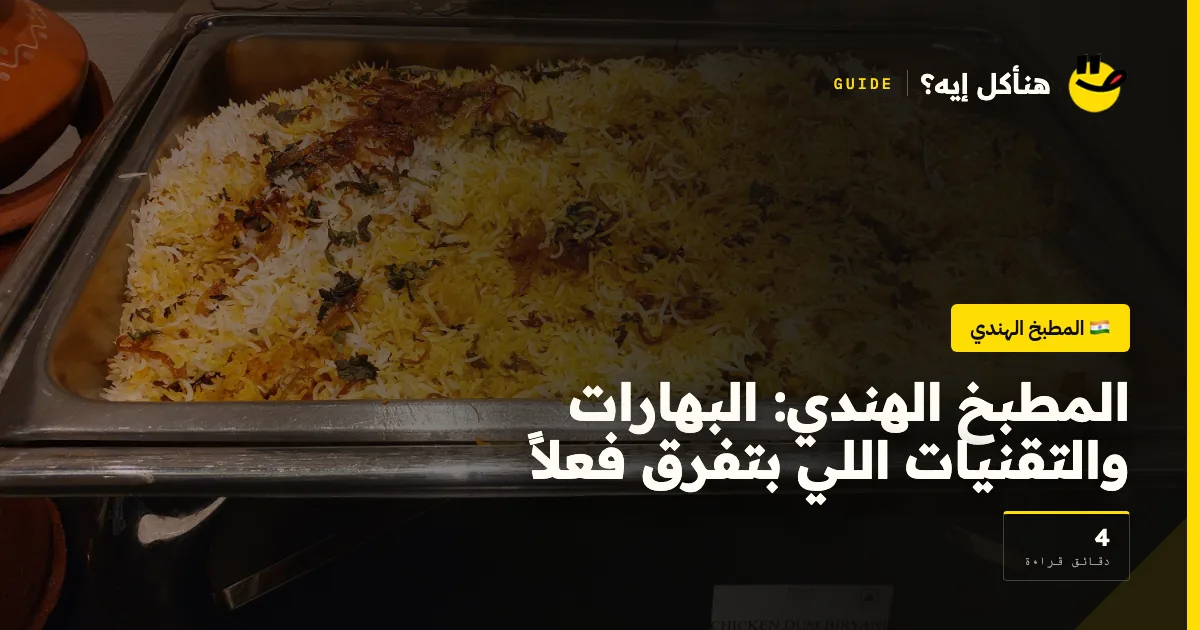
India is not one cuisine. The north cooks with wheat, dairy and tandoor heat; the south with rice, coconut, tamarind and curry leaves; the east with mustard oil and fish; the west with everything from Gujarati vegetarian food to Goan seafood. The common thread is technique, not ingredients.
The essential dishes
1. Biryani
Rice and marinated meat layered and sealed, then steamed on very low heat — the dum method. The rice is parboiled to about seventy per cent and finishes in the trapped steam.
The seal matters. A tight lid, or dough around the rim, keeps the aromatics inside where they belong.
2. Butter chicken
Chicken marinated in yoghurt and spice, cooked hard, then finished in a tomato, butter and cream sauce. The tomato base must be cooked until the fat separates and rises — that is the signal the base is done.
3. Dal
Lentils simmered plain, then finished with a tadka: whole spices bloomed in hot ghee and poured over at the end, sizzling.
The tadka is not a garnish. Cumin, mustard seed, dried chilli and garlic hitting hot fat for thirty seconds releases aromatics that simply do not appear if the spices are stirred into the pot.
4. Palak paneer
Spinach blanched briefly, shocked in ice water, then blended. The ice bath is what keeps it green — without it the sauce turns olive-brown within minutes.
5. Samosa
Spiced potato in a pastry triangle, fried at moderate heat. Hot oil blisters the surface and leaves the pastry raw inside; medium heat gives the even, bubbled crust.
6. Chana masala
Chickpeas in an onion-tomato base sharpened with amchoor, dried green mango powder. A complete vegetarian meal built from cupboard ingredients.
Tempering — the technique to learn first
Tadka, tarka, chaunk: the same idea under different names. Whole spices are dropped into hot fat until they pop and release their oils, then either the dish is built on top or the mixture is poured over a finished dish.
Two rules: the fat must be genuinely hot, and it takes seconds, not minutes. Burnt spices are bitter and there is no rescuing the pot.
Ground spices are different
Whole spices bloom in hot fat. Ground spices burn in it. They go in later, over lower heat, often with a splash of water to protect them.
And garam masala is an aromatic finish, not a base — it goes in after the heat is off. Cooking it destroys exactly what it was added for.
The pantry that matters
- Cumin and coriander seed: toast and grind fresh; the difference is not subtle.
- Turmeric: colour and earthiness; easy to overdo.
- Ginger-garlic paste: make a batch and refrigerate it.
- Ghee: higher smoke point and a flavour oil cannot replicate.
- Amchoor: the sourness behind chana masala.
Common mistakes
- Using curry powder: it flattens every dish into the same taste.
- Rushing the onion: twenty minutes to deep brown, and there is no shortcut.
- Ground spices on high heat: bitter in seconds.
- Cooking garam masala: add it off the heat.
- No ice bath for spinach: the sauce goes brown.
Where to start
Dal is the right first dish — cheap, forgiving, and it teaches tempering, which unlocks everything else.
Then chana masala and butter chicken. Biryani last: it needs layering, timing and a proper seal.
FAQ
إيه هي البونا؟
تقليب البهارات والبصل والطماطم في الزيت لحد ما الزيت ينفصل ويطفو على السطح. دي علامة إن البهارات نضجت وطعمها النيّ راح — وهي أهم تقنية في كاري شبه القارة الهندية.
ليه مسحوق الكاري مش مستخدم في الهند؟
مسحوق الكاري اختراع بريطاني من القرن الثامن عشر لتبسيط البهارات الهندية للمطابخ الإنجليزية. في الهند البهارات بتتحط فردية وكل واحدة في وقتها، وده اللي بيدّي الطعم الطبقي.
إيه الفرق بين المطبخ الهندي الشمالي والجنوبي؟
الشمال أساسه قمح وألبان ولحوم وأطباقه أغنى وأقل حرارة. الجنوب أساسه أرز وجوز هند وعدس وأطباقه أحمض وأحرّ وأسيل.
Comments
Cooked it? Tell us how it went, or ask a question — we read every comment.