
Italian Cuisine: The Pasta and Pizza Rules Italians Actually Follow
Italian cooking is about restraint, not abundance. Most classic dishes have five ingredients or fewer, and the technique carries them. The two rules that change everything: salt the pasta water heavily, and finish the pasta in the sauce, never beside it.
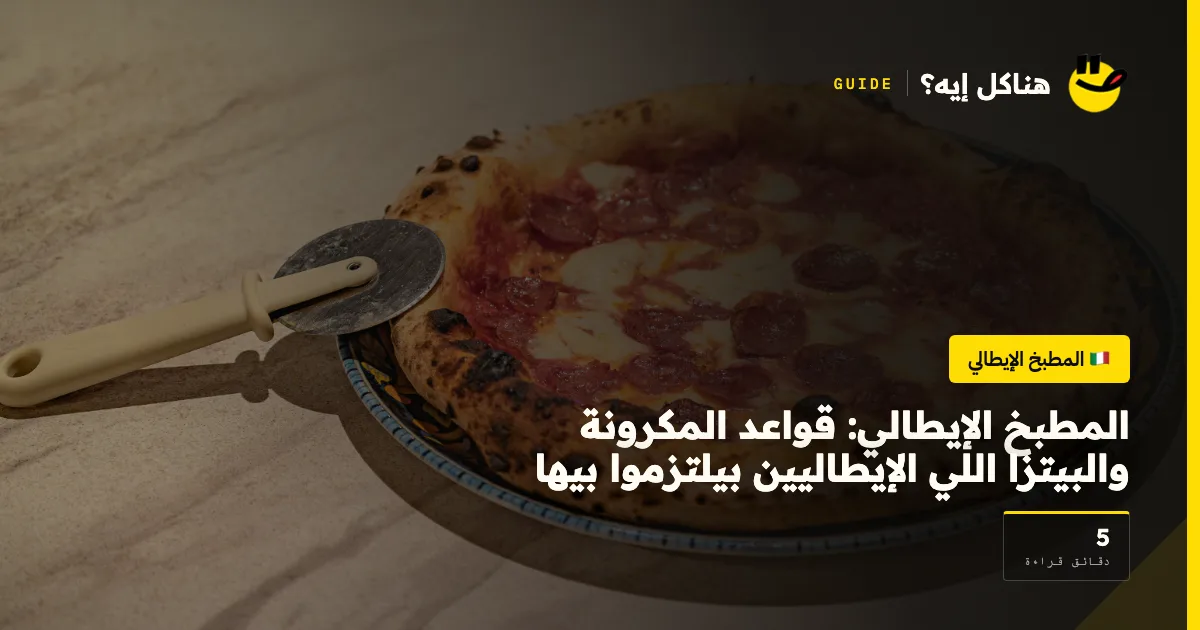
Photo: Rjcastillo — CC BY-SA 4.0 · Wikimedia Commons
Italy has no single cuisine — it has twenty regional ones that only became a country in 1861. The north cooks with butter, rice and polenta; the south with olive oil, tomato and durum wheat. What they share is a suspicion of unnecessary ingredients.
The essential dishes
1. Carbonara
Four ingredients: guanciale, eggs, pecorino, black pepper. No cream. The creaminess comes from egg yolk emulsified with starchy pasta water — cream is a shortcut that produces a different, heavier dish.
The pan must be off the heat when the egg mixture goes in. On direct heat the egg scrambles in seconds and there is no recovery.
2. Lasagne
Layers of pasta, ragù and béchamel. The ragù is cooked two hours minimum — this is a slow dish pretending to be a simple one.
The béchamel should be looser than you think. It thickens in the oven, and a stiff sauce gives dry, brick-like layers.
3. Risotto
Rice toasted in fat, then hot stock added a ladle at a time with constant stirring. The stirring is not ceremony — it knocks starch off the grains and that starch is the sauce.
Finished off the heat with cold butter and cheese beaten in hard: the mantecatura. Skip it and you have rice soup.
4. Pizza
A long, cold fermentation — 24 to 72 hours in the fridge — is what gives real pizza dough its flavour and digestibility. Same-day dough tastes of yeast and nothing else.
The oven must be as hot as it will go, with the stone or steel preheated for a full hour.
5. Tomato sauce
Good tinned tomatoes, garlic or onion, olive oil, basil, salt. Thirty minutes. The instinct to add herbs, sugar and stock is precisely what ruins it.
6. Tiramisu
Mascarpone, egg, sugar, coffee, savoiardi. The biscuits are dipped for one second — any longer and the dessert collapses into sludge.
Pasta water is an ingredient
Salt the water until it tastes of the sea. Reserve a cup before draining. Drain the pasta a minute early and finish it in the sauce pan with a splash of that water, tossing hard.
The starch in the water binds fat and liquid into an actual sauce that clings. Pasta drained dry and topped with sauce is a different, worse dish — and this single habit is the biggest gap between home and restaurant results.
The pantry that matters
- San Marzano-style tinned tomatoes: sweeter, less acidic, fewer seeds.
- Parmigiano Reggiano: buy the block; pre-grated contains anti-caking agents that refuse to melt.
- Bronze-cut dried pasta: rough surface holds sauce.
- Good olive oil: one cheap for cooking, one extra virgin for finishing raw.
- '00' flour: for pizza and fresh pasta.
Common mistakes
- Cream in carbonara: it is a different dish.
- Egg mixture on direct heat: scrambled, instantly.
- Unsalted pasta water: nothing added later fixes bland pasta.
- Same-day pizza dough: no flavour development.
- Soaking the tiramisu biscuits: one second is the whole instruction.
Where to start
Tomato sauce first — thirty minutes, and it teaches restraint better than any other dish. Then carbonara, which teaches emulsion and timing.
Risotto after that, and pizza last: it needs a two-day plan and an oven pushed to its limit.
FAQ
Why does carbonara have no cream?
The real sauce comes from egg yolk, cheese and hot pasta water — the heat turns them into a natural cream. Cream was added outside Italy to make the recipe easier.
Why should pasta never be rinsed?
Rinsing washes the starch off the surface of the pasta, and that starch is what makes the sauce cling and coat it. Without it the sauce slides off.
How do I make restaurant pizza in a home oven?
A slow 24-hour rise in the fridge, the oven at its highest setting, and a baking stone or an upturned tray heated for half an hour before the pizza goes on it.

Comments
Cooked it? Tell us how it went, or ask a question — we read every comment.