
 Egypt
45 min
Egypt
45 min
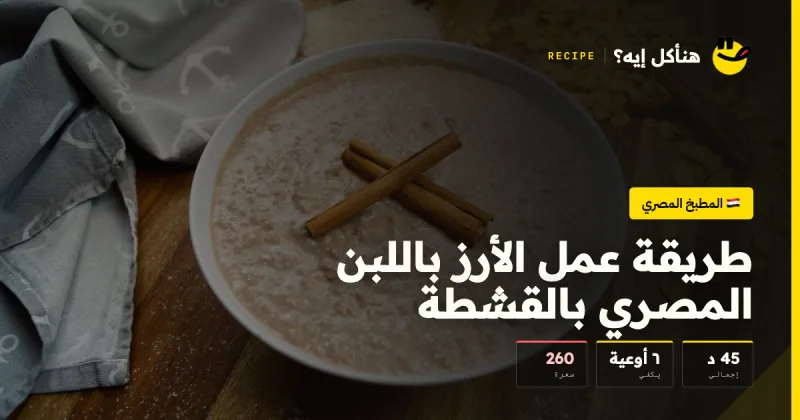
Egyptian Rice Pudding with Clotted Cream
Easy
6 bowls
Egypt · North Africa · 67 recipes
Egyptian cooking is built on grains, pulses and long-simmered greens. It is the food of a country that has fed itself from the Nile for millennia: koshari, molokhia, ful medames and mahshi.
Egypt
45 min
 Egypt
37 min
Egypt
37 min
 Egypt
10 min
Egypt
10 min
 Egypt
8 min
Egypt
8 min
 Egypt
20 min
Egypt
20 min
 Egypt
8 min
Egypt
8 min
 Egypt
40 min
Egypt
40 min
 Egypt
65 min
Egypt
65 min
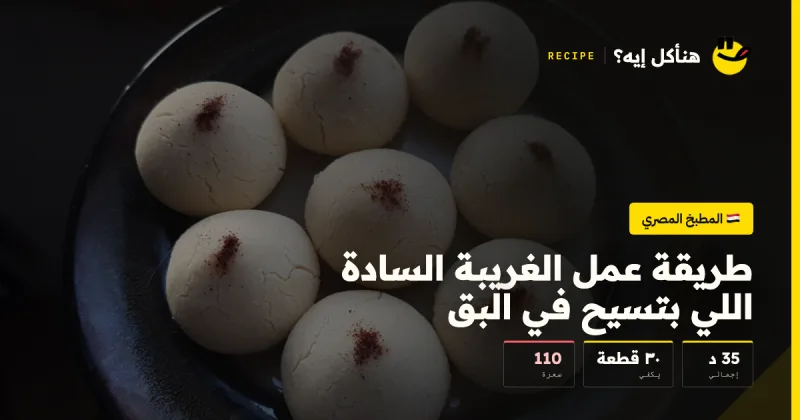 Egypt
35 min
Egypt
35 min
 Egypt
27 min
Egypt
27 min
 Egypt
40 min
Egypt
40 min
 Egypt
34 min
Egypt
34 min
Egyptian cooking is among the oldest in the world, and what marks it out is that it built itself on the cheapest and most available ingredients: lentils, fava beans, rice, seasonal vegetables and bread. Nothing in it is rare and nothing is technically complicated — all the flavour comes from small details passed down in households.
First, pulses. Fava beans, lentils and chickpeas underpin more than half the everyday dishes, and that is what let Egyptian cooking feed large numbers cheaply — koshari feeds six for roughly the price of one restaurant plate.
Second, the taqleya: crushed garlic and dried coriander fried in ghee and poured over the dish while it bubbles. This is a purely Egyptian signature, and it is what separates Egyptian molokhia from every other version in the region.
Third, acidity. Vinegar and lemon appear almost everywhere — in koshari sauce, in fatteh stock, in sayadeya — to balance the richness.
Starting from scratch, begin with koshari, the national dish: four layers in a single bowl. Then molokhia, the fastest main course in the Egyptian kitchen at about an hour. Mahshi needs patience more than skill, and fatteh is the Eid dish, built layer over layer.
For breakfast nothing beats ful medames and ta'ameya, the cheapest and most filling breakfast in Egypt. And Egyptian ta'ameya is not Levantine falafel: it is built on soaked split fava beans, not chickpeas, which is why its centre is green.
Egyptian sweets track the seasons closely: qatayef, kunafa and luqmat al-qadi in Ramadan, kahk at Eid al-Fitr, and basbousa all year. The drinks are seasonal too — erksous, khoshaf, qamar al-din, tamarind and sobia are all Ramadan drinks — and Sham El-Nessim has a spread of its own: herring, fesikh, coloured eggs and lupini beans.
A full guide to Egypt's best-known dishes: koshari, molokhia, ta'ameya, mahshi and fattah — what makes each one work, and the common mistake that ruins it.
4 min readA balanced iftar table has five parts: a rehydrating drink, a light soup, starters, a main, and a light sweet. The order isn't just tradition — it's what prevents the iftar slump.
4 min read