
Korean Cuisine: Gochujang, Kimchi and the 6 Best-Known Dishes
Korean cooking is built on fermentation: kimchi, gochujang (fermented chilli paste) and doenjang (soybean paste) form the flavour base of most dishes. That fermentation gives a depth that is sour, salty and hot at once — a taste with no real equivalent in other cuisines.
Korean food has gone global over the last decade, and the reason is not Korean drama alone — the food itself holds a rare balance of heat, sweetness and acidity, and it is served in a way that makes every meal a social occasion.
Gochujang — the ingredient that changes everything
A fermented red chilli paste made with glutinous rice and soy. Hot, sweet, salty and deep all at once, it goes into bibimbap, tteokbokki, fried chicken and soups.
There is no exact substitute. The nearest thing is hot chilli paste with honey and soy, but the deep fermented note will be missing. It keeps for months in the fridge.
Kimchi — not a single dish
Kimchi is not one thing — there are over a hundred versions depending on the vegetable and the season. The best known is napa cabbage kimchi with Korean chilli, garlic, ginger and fish sauce.
What matters is that it changes over time: fresh kimchi is eaten as a salad, and old, sour kimchi is cooked into soups and stews. That is why kimchi jjigae is specifically made with aged kimchi.
Bibimbap
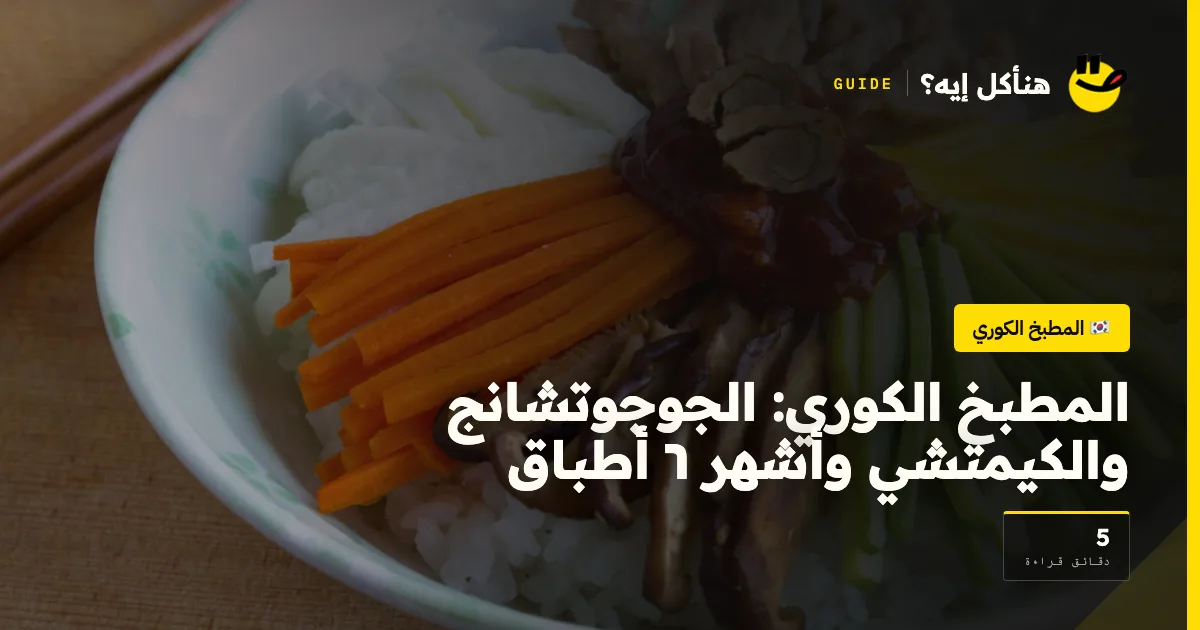
Rice with assorted vegetables, meat and an egg. The detail that matters: each vegetable is seasoned separately with sesame oil, garlic and salt, and arranged in separate groups rather than mixed. The mixing happens as you eat.
Bulgogi
Thin slices of beef marinated in soy and grated pear. The pear is not for sweetness — its enzymes break down the meat fibres and genuinely tenderise it. Marinating beyond six hours gives an oddly mushy texture.
Korean fried chicken
The crispness that survives even under sauce comes from frying twice with a five-minute rest between. The rest brings internal moisture to the surface, and the second fry drives it off.
Ingredients worth buying
- Gochujang: the fermented chilli paste — the single most important ingredient.
- Gochugaru: coarsely ground Korean chilli, strong in colour and moderate in heat.
- Sesame oil: added at the end, after the heat is off.
- Korean fish sauce: for kimchi and soups.
- Doenjang: fermented soybean paste, for soups and stews.
How a meal is ordered
A Korean table arrives all at once: rice and soup in front of each person, shared dishes in the centre, and around them the banchan — small side dishes of kimchi, seasoned sprouts, spinach and radish, served free in restaurants and refilled on request.
Spoon and chopsticks are used together: the spoon for rice and soup, the chopsticks for the side dishes.
Common mistakes
- Fresh kimchi in jjigae: gives a flat soup — it needs old, sour kimchi.
- Not frying the kimchi before adding broth: the acidity stays sharp instead of turning into depth.
- Marinating bulgogi beyond four hours: the texture goes mushy.
- Frying the chicken once: the crispness is gone within minutes.
- Mixing the bibimbap vegetables from the start: one flat flavour and dull colour.
Where to start
Bibimbap is the easiest entry — just briefly blanched, seasoned vegetables, with no difficult technique. Then kimchi jjigae (a simple soup), then bulgogi.
Tteokbokki needs rice cakes from an Asian grocer, and fried chicken comes last because it needs the double fry and careful timing.
Korean barbecue
Korean barbecue is not a dish — it is a way of eating. A grill built into the table, meat cooked in front of the guests and cut with scissors, eaten wrapped in a lettuce leaf with garlic and ssamjang, a paste of chilli and soy.
That wrap is called a ssam, and it has a rule: it is eaten in one mouthful, and at gatherings nobody makes their own — you make one for the person next to you.
Fermentation in Korean cooking
Traditional Korean houses had a courtyard full of large earthenware jars, onggi, holding soy and chilli pastes and kimchi fermenting for months and years. The clay is porous and allows a slow exchange of air — which is what makes the fermentation work properly.
And to this day there is kimjang, the communal kimchi-making season in November, when families gather to make enough to last the winter. UNESCO has listed it as intangible cultural heritage.
Heat in Korean food
Not all Korean food is hot. Dishes like japchae, bulgogi and galbi are sweet and savoury with no heat at all, and are perfectly suited to children.
Korean heat is also different from Mexican or Thai: slower to arrive and warmer in feel, because it comes from fermented rather than fresh chilli. That makes it easier for people unused to it.
One final practical note
If you buy only one thing to try Korean cooking, make it gochujang. One tub opens up bibimbap, tteokbokki, fried chicken and kimchi jjigae, and it keeps for months in the fridge.
Noodles in Korean cooking
Koreans have many kinds of noodle, each with its own use. Dangmyeon, made from sweet potato starch, is translucent and chewy and used in japchae; Korean ramyeon is eaten hot and straight from the pot; and naengmyeon is a buckwheat noodle served in an iced broth in summer.
Naengmyeon is a strange experience the first time: a cold soup with actual ice in it, eaten in the height of the heat with vinegar and mustard. But it is one of the most loved dishes in Korea during summer.
FAQ
إيه هو الجوجوتشانج؟
معجون فلفل أحمر كوري مخمّر بالأرز اللزج والصويا. حار وحلو ومالح وعميق، وهو أساس معظم الأطباق الكورية. متوفّر في محلات المنتجات الآسيوية وبيقعد شهور في التلاجة.
ليه الدجاج الكوري بيتقلي مرتين؟
القلية الأولى بتنضج اللحم، والراحة بتطلّع الرطوبة الداخلية للسطح، والقلية التانية بتبخّرها وتسيب قشرة جافة. القلية الواحدة بتسيب رطوبة بتليّن القشرة بعد دقايق.
إيه هو البانتشان؟
أطباق جانبية صغيرة بتتقدّم مع كل وجبة كورية — كيمتشي وبراعم وسبانخ وفجل وغيرهم. في المطاعم بتتحط مجانًا وبتتعاد تعبئتها، وعددها ممكن يوصل لعشرة.
Comments
Cooked it? Tell us how it went, or ask a question — we read every comment.