
Sautéed Vegetables With Butter and Garlic
Sauté means to jump — the vegetables move constantly over high heat in a wide pan. Crowded vegetables release water and end up boiling themselves in it, while a wide pan lets the water evaporate at once so they brown instead.
- Prep
- 15 min
- Cook
- 12 min
- Total
- 27 min
- Calories
- 140
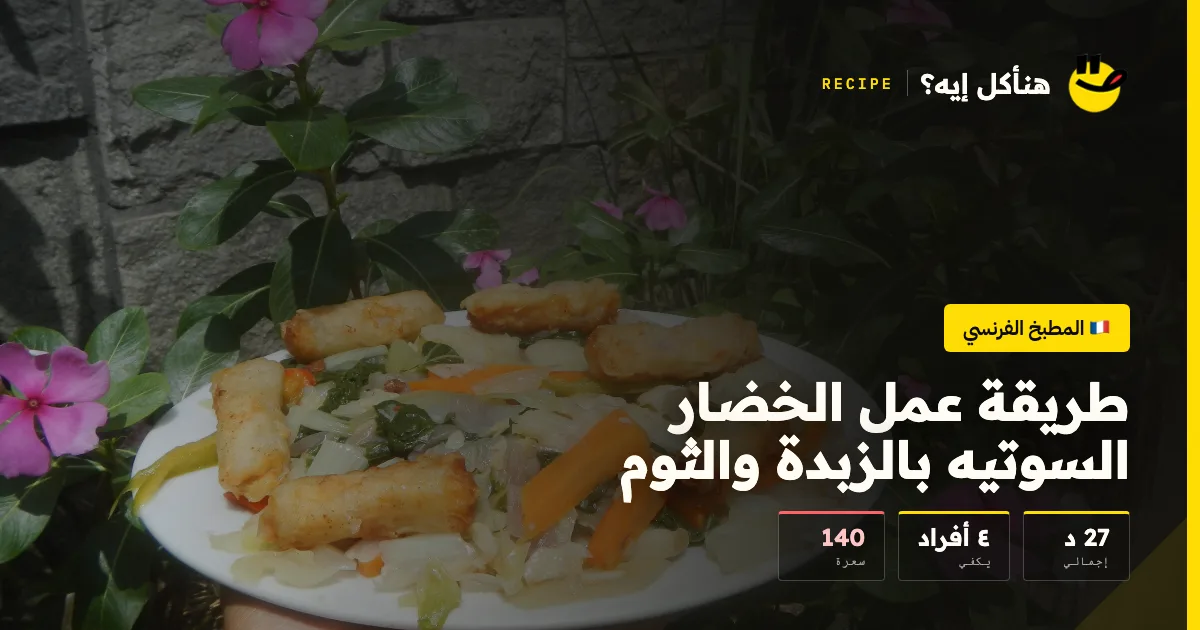
Photo: VinPrasad — CC BY-SA 4.0 · Wikimedia Commons
Sautéed vegetables take ten minutes and go with almost anything. The difference between glossy, crisp vegetables and pale boiled ones is the size of your pan.
Method
-
1
Cut everything evenly
Cut all the vegetables to roughly the same size, and slice the carrots on the bias to increase their surface area. Uneven pieces cook unevenly.
⏱ 12 min -
2
Dry them
Dry the washed vegetables completely with a towel. Surface water turns to steam and blocks browning — the vegetables end up boiling themselves.
⏱ 4 min -
3
Wide pan, properly hot
Heat the widest pan you own with the oil over high heat until the oil shimmers. A small pan means crowded, boiled vegetables no matter what else you do.
⏱ 4 min -
4
Add by cooking time
Start with the carrots for 3 minutes, then the broccoli and beans for 3 minutes, and finally the courgette and pepper for 2 minutes. That order brings everything to doneness together.
⏱ 9 min -
5
Butter and garlic last
Add the butter and garlic in the final minute and toss. Butter burns quickly and garlic turns bitter — both always go in at the end.
⏱ 2 min -
6
Salt and lemon off the heat
Season after the pan comes off the heat and add the lemon. Early salt pulls water out of the vegetables, blocks browning and turns a sauté into a boil.
⏱ 2 min
Cooked it? Rate it
Your rating tells the next cook whether this recipe is worth their time.
✓ Thanks — your rating is in.
Tips that actually matter
- The widest pan you own — crowding is the number one cause of boiled vegetables.
- Salt only at the end; early salt draws out water and prevents browning.
- Butter and garlic in the last minute — both burn fast.
- Vegetables bone dry before they hit the pan; water blocks browning.
People also ask
Why do my vegetables come out boiled?
The pan was too small or the heat too low. Vegetables release water, and in a crowded pan it cannot evaporate, so they boil in it. Wide pan, high heat, dry vegetables.
Why do the colours go dull?
They cooked too long. A sauté needs 8–10 minutes total. Bright colour means the chlorophyll is still intact — overcooking destroys it.
When should I salt?
At the very end, after the pan leaves the heat. Salt draws water out of the vegetable cells by osmosis, and that water prevents browning and turns the sauté into a boil.
Cook mode
Sautéed Vegetables With Butter and Garlic
-
1
Cut everything evenly
Cut all the vegetables to roughly the same size, and slice the carrots on the bias to increase their surface area. Uneven pieces cook unevenly.
-
2
Dry them
Dry the washed vegetables completely with a towel. Surface water turns to steam and blocks browning — the vegetables end up boiling themselves.
-
3
Wide pan, properly hot
Heat the widest pan you own with the oil over high heat until the oil shimmers. A small pan means crowded, boiled vegetables no matter what else you do.
-
4
Add by cooking time
Start with the carrots for 3 minutes, then the broccoli and beans for 3 minutes, and finally the courgette and pepper for 2 minutes. That order brings everything to doneness together.
-
5
Butter and garlic last
Add the butter and garlic in the final minute and toss. Butter burns quickly and garlic turns bitter — both always go in at the end.
-
6
Salt and lemon off the heat
Season after the pan comes off the heat and add the lemon. Early salt pulls water out of the vegetables, blocks browning and turns a sauté into a boil.




Comments
Cooked it? Tell us how it went, or ask a question — we read every comment.