
German Spätzle Fresh Egg Pasta
Spätzle is a German egg pasta made from a batter (not a dough) that is scraped or passed through a coarse strainer directly into boiling water. It cooks in 2-3 minutes and floats when done. No rolling, cutting, or machine needed.
- Prep
- 15 min
- Cook
- 15 min
- Total
- 30 min
- Calories
- 310
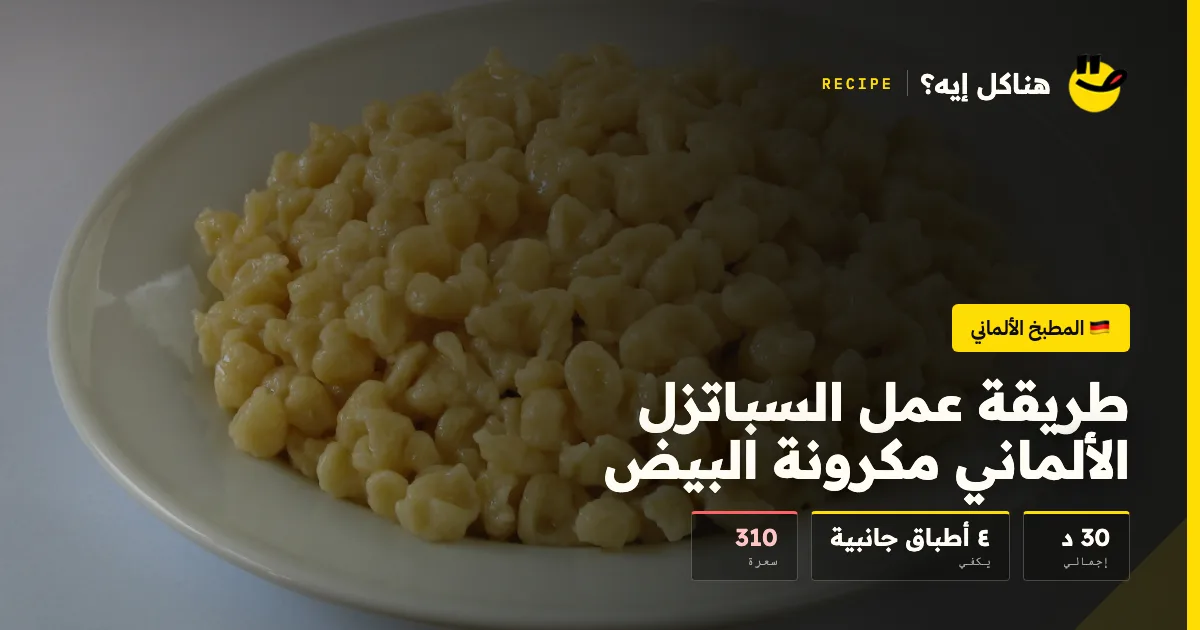
Photo: Kobako — CC BY-SA 2.5 · Wikimedia Commons
Spätzle is the easiest fresh pasta you can make at home — no kneading, rolling, or resting required. It is an essential side dish in southern Germany, served with brown butter or cheese.
Method
-
1
The Batter
Mix the flour, salt, and nutmeg, then add the eggs and water. Beat the batter vigorously with a wooden spoon for 5 minutes until it becomes sticky, bubbly, and falls from the spoon in a heavy ribbon. The beating develops gluten, which gives Spätzle its chew.
-
2
Resting
Cover the batter and let it rest for 20-30 minutes. Resting allows the flour to fully absorb the liquid, making the batter homogeneous and the Spätzle softer.
-
3
Consistency Test
Lift the spoon — the batter should fall slowly in a continuous strip, not drop all at once or stay stuck to the spoon. If it is too thick, add a spoonful of water; if it is too runny, add a spoonful of flour.
-
4
Boiling the Water
Bring a large pot of heavily salted water to a boil. The water must be boiling vigorously when scraping — weak boiling will cause the Spätzle to stick together and sink to the bottom.
-
5
Scraping
Place a portion of the batter on a wet wooden board and scrape thin strips with a wet knife directly into the water. Or use a coarse-holed strainer and press the batter through it with the back of a spoon.
-
6
Cooking
Spätzle float to the top in 2-3 minutes — this is the sign of doneness. Remove them with a slotted spoon and transfer them to cold water if you are not using them immediately, or directly to the pan if serving now.
-
7
Browning in Butter
Melt the butter in a pan until it turns light brown and smells nutty, and sauté the Spätzle in it for 3-4 minutes until the edges are golden. This step is not optional — it is what turns boiled pasta into a dish.
-
8
The Cheese Version
For Käsespätzle: Layer the Spätzle and grated cheese in layers in a baking dish, and bake in the oven for 10 minutes until the cheese melts, topped with crispy fried onions.
Cooked it? Rate it
Your rating tells the next cook whether this recipe is worth their time.
✓ Thanks — your rating is in.
Tips that actually matter
- Beat the batter vigorously for 5 minutes until bubbly — this gives the chew.
- The water must boil vigorously while scraping.
- Wet the board and knife frequently so the batter doesn't stick.
- Floating to the top of the water is the sign of doneness.
- Brown butter at the end makes a huge difference in flavor.
People also ask
Spätzle falls apart in the water — why?
The batter is too runny, or the water is not boiling vigorously enough. Add two tablespoons of flour and test the consistency (it must fall in a slow, continuous strip), and keep the water on highest heat when scraping.
Can I make it without special tools?
Yes — a metal strainer with 5 mm holes and the back of a spoon to press it through, or a wooden board and knife to scrape it, or even a large piping bag. A dedicated Spätzle tool just makes it easier, but it is not strictly necessary.
Can I make it ahead of time?
Yes — boil it, rinse it with cold water, drain it, toss it with a little oil, and it will keep in the fridge for two days. Sauté it in butter when ready to serve. It also freezes well after boiling for up to two months.
What is it served with?
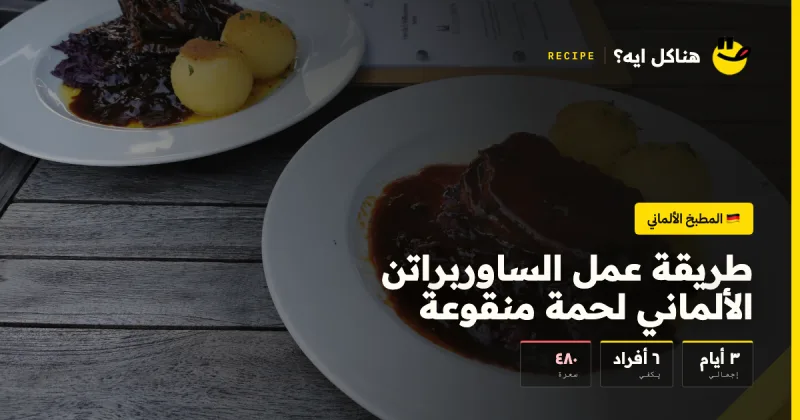
With any dish that has a sauce — goulash, Sauerbraten, or braised meat. And as a main dish with cheese and crispy fried onions. It can also be fried with eggs and onions like an omelet.
Cook mode
German Spätzle Fresh Egg Pasta
-
1
The Batter
Mix the flour, salt, and nutmeg, then add the eggs and water. Beat the batter vigorously with a wooden spoon for 5 minutes until it becomes sticky, bubbly, and falls from the spoon in a heavy ribbon. The beating develops gluten, which gives Spätzle its chew.
-
2
Resting
Cover the batter and let it rest for 20-30 minutes. Resting allows the flour to fully absorb the liquid, making the batter homogeneous and the Spätzle softer.
-
3
Consistency Test
Lift the spoon — the batter should fall slowly in a continuous strip, not drop all at once or stay stuck to the spoon. If it is too thick, add a spoonful of water; if it is too runny, add a spoonful of flour.
-
4
Boiling the Water
Bring a large pot of heavily salted water to a boil. The water must be boiling vigorously when scraping — weak boiling will cause the Spätzle to stick together and sink to the bottom.
-
5
Scraping
Place a portion of the batter on a wet wooden board and scrape thin strips with a wet knife directly into the water. Or use a coarse-holed strainer and press the batter through it with the back of a spoon.
-
6
Cooking
Spätzle float to the top in 2-3 minutes — this is the sign of doneness. Remove them with a slotted spoon and transfer them to cold water if you are not using them immediately, or directly to the pan if serving now.
-
7
Browning in Butter
Melt the butter in a pan until it turns light brown and smells nutty, and sauté the Spätzle in it for 3-4 minutes until the edges are golden. This step is not optional — it is what turns boiled pasta into a dish.
-
8
The Cheese Version
For Käsespätzle: Layer the Spätzle and grated cheese in layers in a baking dish, and bake in the oven for 10 minutes until the cheese melts, topped with crispy fried onions.


Comments
Cooked it? Tell us how it went, or ask a question — we read every comment.