
 Egypt
125 min
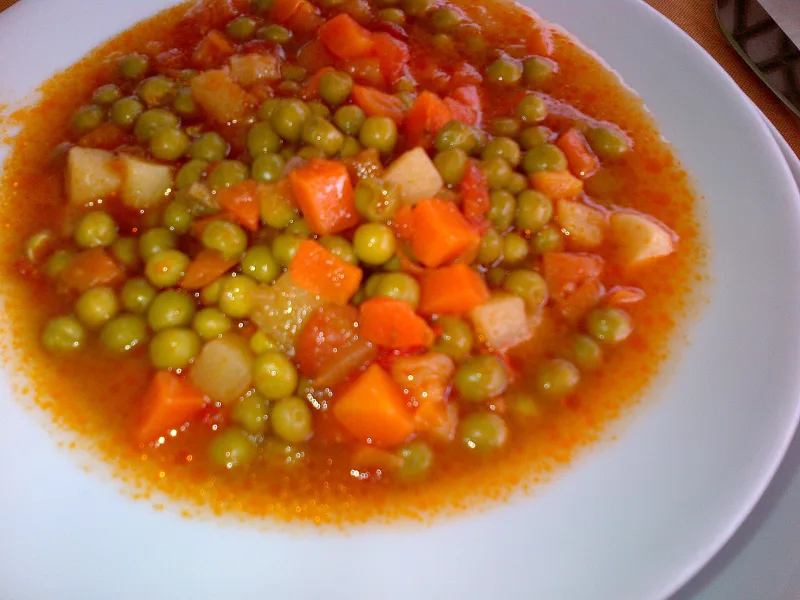
Peas and Carrots with Meat
Easy
5 servings
Egypt · North Africa · 143 recipes
Egyptian cooking is built on grains, pulses and long-simmered greens. It is the food of a country that has fed itself from the Nile for millennia: koshari, molokhia, ful medames and mahshi.
Egypt
125 min
 Egypt
32 min
 Egypt
115 min
 Egypt
105 min
 Egypt
135 min
 Egypt
65 min
 Egypt
35 min
 Egypt
110 min
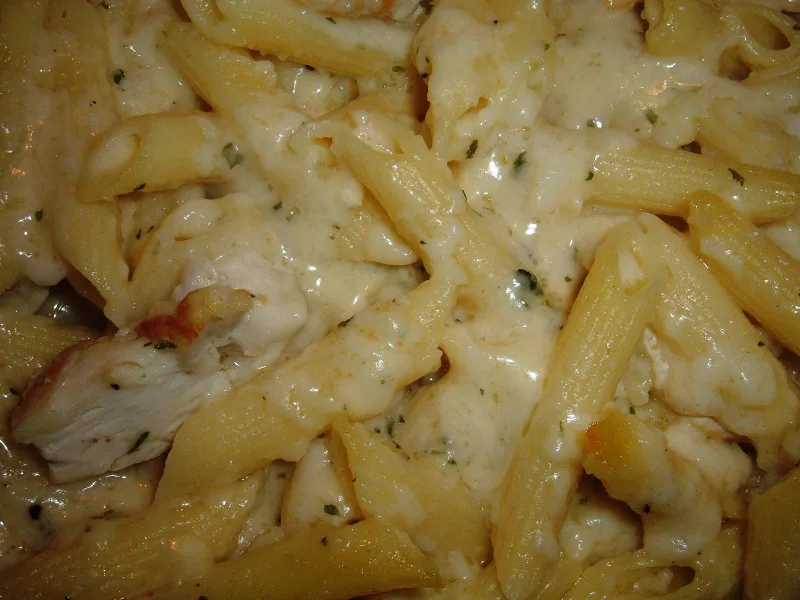 Egypt
80 min
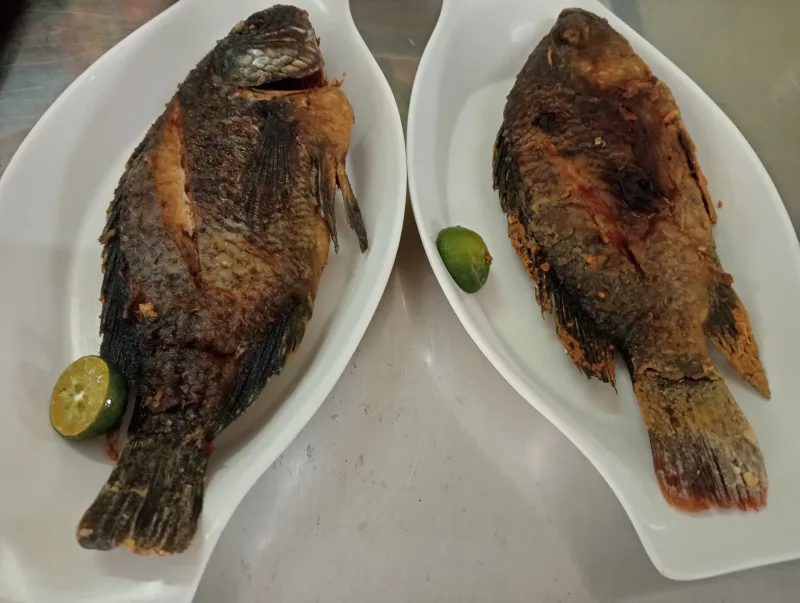 Egypt
75 min
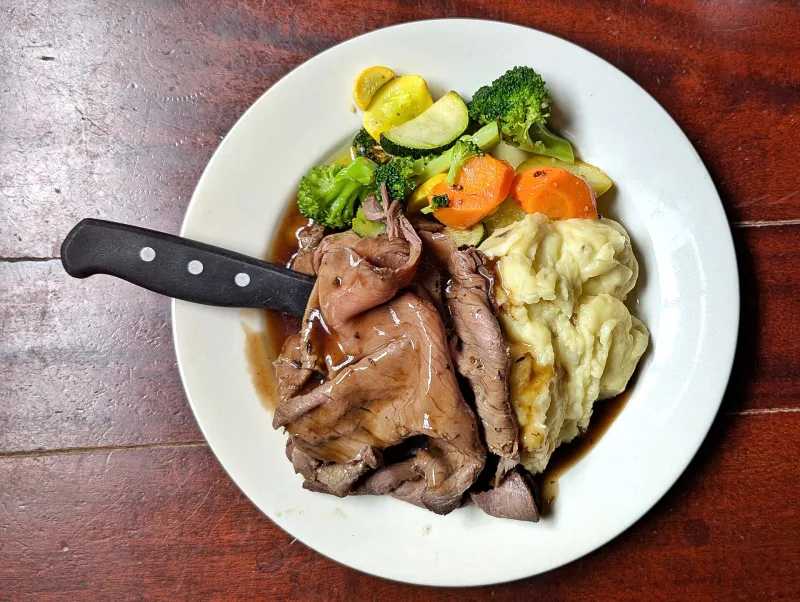 Egypt
4 hr
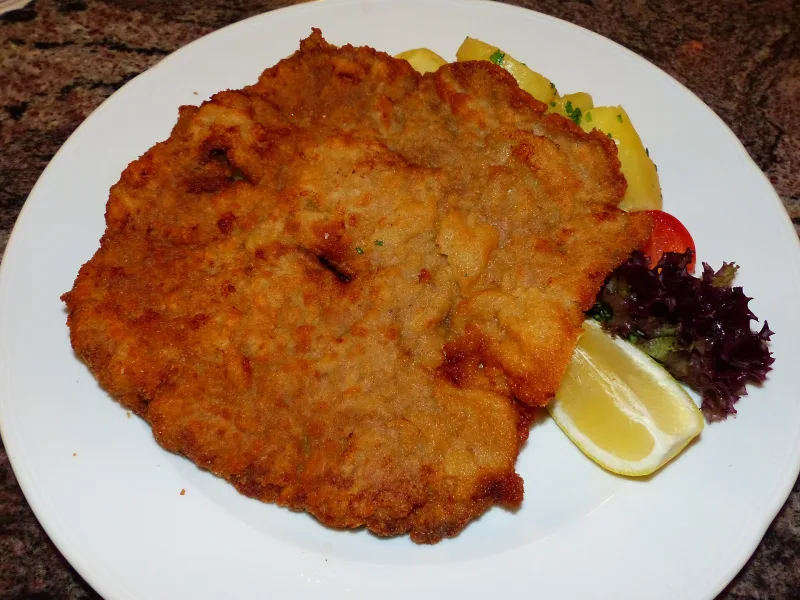 Egypt
115 min
Egyptian cooking is among the oldest in the world, and what marks it out is that it built itself on the cheapest and most available ingredients: lentils, fava beans, rice, seasonal vegetables and bread. Nothing in it is rare and nothing is technically complicated — all the flavour comes from small details passed down in households.
First, pulses. Fava beans, lentils and chickpeas underpin more than half the everyday dishes, and that is what let Egyptian cooking feed large numbers cheaply — koshari feeds six for roughly the price of one restaurant plate.
Second, the taqleya: crushed garlic and dried coriander fried in ghee and poured over the dish while it bubbles. This is a purely Egyptian signature, and it is what separates Egyptian molokhia from every other version in the region.
Third, acidity. Vinegar and lemon appear almost everywhere — in koshari sauce, in fatteh stock, in sayadeya — to balance the richness.
Starting from scratch, begin with koshari, the national dish: four layers in a single bowl. Then molokhia, the fastest main course in the Egyptian kitchen at about an hour. Mahshi needs patience more than skill, and fatteh is the Eid dish, built layer over layer.
For breakfast nothing beats ful medames and ta'ameya, the cheapest and most filling breakfast in Egypt. And Egyptian ta'ameya is not Levantine falafel: it is built on soaked split fava beans, not chickpeas, which is why its centre is green.
Egyptian sweets track the seasons closely: qatayef, kunafa and luqmat al-qadi in Ramadan, kahk at Eid al-Fitr, and basbousa all year. The drinks are seasonal too — erksous, khoshaf, qamar al-din, tamarind and sobia are all Ramadan drinks — and Sham El-Nessim has a spread of its own: herring, fesikh, coloured eggs and lupini beans.
All Egyptian Cuisine dishes by name
A list by name, grouped by category, with time and calories.
A full guide to Egypt's best-known dishes: koshari, molokhia, ta'ameya, mahshi and fattah — what makes each one work, and the common mistake that ruins it.
4 min readA balanced iftar table has five parts: a rehydrating drink, a light soup, starters, a main, and a light sweet. The order isn't just tradition — it's what prevents the iftar slump.
4 min readAn AI assistant suggesting from this site’s recipes. Your details are used only to reply to you.
