
Japanese Yakisoba Noodles with Meat and Vegetables
Yakisoba is Japanese noodles stir-fried over very high heat with vegetables, meat, and a signature sauce that is sweet and savory. The secret to noodles that never stick is to rinse them in warm water and loosen them by hand before adding them to the pan, and ensuring the pan is smoking hot.
- Prep
- 20 min
- Cook
- 12 min
- Total
- 32 min
- Calories
- 480
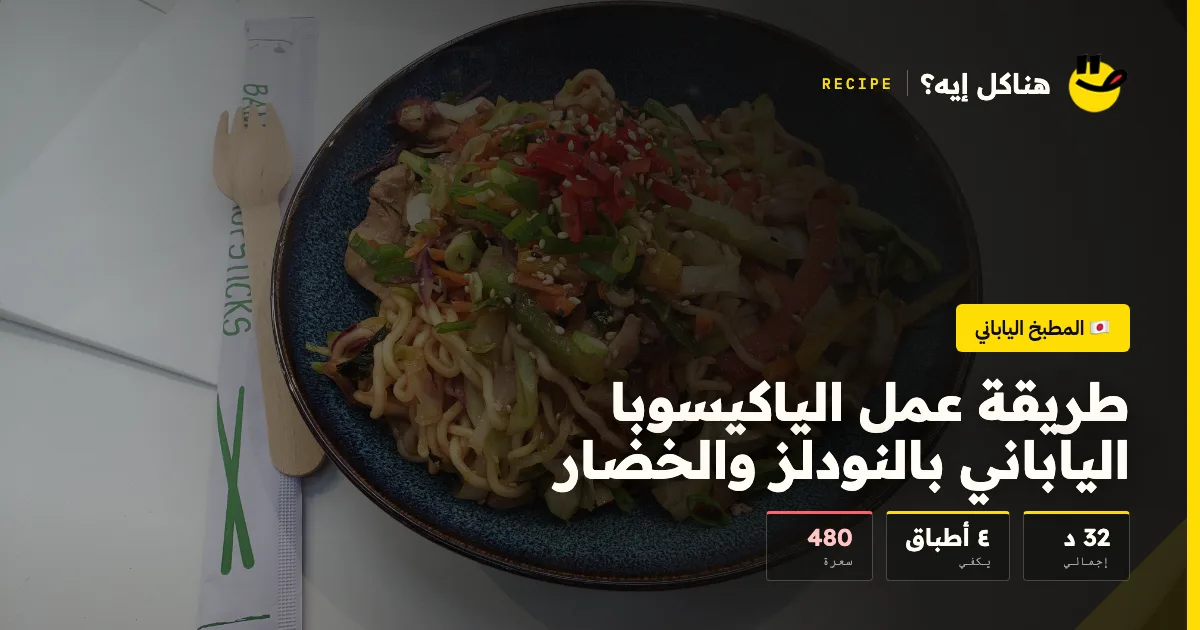
Photo: Andy Li — CC0 · Wikimedia Commons
Yakisoba is Japan's most popular street food, sold at almost every festival. Its name translates to "grilled noodles," even though the noodles used are actually wheat noodles rather than true soba.
Method
-
1
Yakisoba Sauce
Mix the Worcestershire sauce, ketchup, soy sauce, oyster sauce, and sugar in a cup. This blend replicates commercial yakisoba sauce precisely, hitting the ideal balance: sweet and savory with a touch of acidity.
-
2
Preparing the Noodles
If using pre-steamed packaged noodles, rinse them with warm water and gently separate them by hand. If using dry noodles, boil them 1 minute less than package directions, rinse with cold water, drain thoroughly, and toss with a tablespoon of oil.
-
3
Mise en Place
Slice all vegetables into thin strips of uniform thickness, and stage everything right beside the stove. Yakisoba cooks in under 10 minutes over intense heat — there is no time for chopping once you begin.
-
4
Searing the Meat
Heat a wok or wide skillet over the highest heat until smoking. Add a tablespoon of oil and arrange the meat in a single layer; let it sear for 1 minute without stirring until browned, then stir-fry for another minute and transfer to a plate.
-
5
The Vegetables
Add another tablespoon of oil, then add the onion and carrot and stir-fry for 2 minutes, followed by the cabbage for another 2 minutes. The vegetables must retain their crispness — yakisoba is never made with soggy boiled vegetables.
-
6
The Noodles
Push the vegetables to the sides of the pan, and add a tablespoon of oil and the noodles right in the center. Leave them undisturbed for 1 minute until you feel them beginning to crisp on the bottom — this delivers that distinct grilled flavor. Then toss together.
-
7
Sauce and Combining
Return the meat to the pan and pour the sauce around the hot edges of the pan rather than straight into the center (to caramelize it), and stir-fry for 1.5 minutes until everything is evenly coated and no liquid pools. Toss in the bean sprouts during the final 30 seconds.
-
8
Serving
Divide among serving plates, drizzle zigzag lines of mayonnaise across the top, and garnish with dried seaweed and red pickled ginger. Japanese mayonnaise is an essential, authentic component of the dish, not an unusual gimmick.
Cooked it? Rate it
Your rating tells the next cook whether this recipe is worth their time.
✓ Thanks — your rating is in.
Tips that actually matter
- Rinse and loosen the noodles with warm water before they hit the pan.
- Maintain very high heat from start to finish — this is not a dish for low-heat simmering.
- Leave the noodles undisturbed for 1 minute in the pan so they can develop a flavorful sear.
- Pour the sauce along the hot rim of the pan so it caramelizes instantly.
- Have every single ingredient prepped and measured before turning on the burner.
People also ask
What is a good substitute for yakisoba noodles?
Chinese egg noodles or slightly undercooked spaghetti work well. If using spaghetti, add 1/4 teaspoon of baking soda to the boiling water — this gives them the springy, alkaline chew and yellowish hue characteristic of Japanese noodles.
Why do the noodles stick to the pan?
The pan was not hot enough, the noodles were too wet, or there was too little oil. Make sure the pan is smoking hot, drain the noodles thoroughly and coat them in a drop of oil, and avoid overcrowding the pan.
Can this recipe be made vegetarian?
Yes, very easily — omit the meat and increase the mushrooms, firm tofu, and vegetables. Replace the oyster sauce with mushroom stir-fry sauce or additional soy sauce, and use a vegan Worcestershire sauce (traditional versions contain anchovies). Most of the dish's flavor comes directly from the sauce.
What is the difference between yakisoba and yaki udon?
They use the same stir-fry method but different noodles — yakisoba uses thin, wavy wheat noodles, whereas yaki udon uses thick, chewy udon noodles. The seasoning also differs slightly: yaki udon sauce leans more heavily on soy sauce and includes less ketchup.
Cook mode
Japanese Yakisoba Noodles with Meat and Vegetables
-
1
Yakisoba Sauce
Mix the Worcestershire sauce, ketchup, soy sauce, oyster sauce, and sugar in a cup. This blend replicates commercial yakisoba sauce precisely, hitting the ideal balance: sweet and savory with a touch of acidity.
-
2
Preparing the Noodles
If using pre-steamed packaged noodles, rinse them with warm water and gently separate them by hand. If using dry noodles, boil them 1 minute less than package directions, rinse with cold water, drain thoroughly, and toss with a tablespoon of oil.
-
3
Mise en Place
Slice all vegetables into thin strips of uniform thickness, and stage everything right beside the stove. Yakisoba cooks in under 10 minutes over intense heat — there is no time for chopping once you begin.
-
4
Searing the Meat
Heat a wok or wide skillet over the highest heat until smoking. Add a tablespoon of oil and arrange the meat in a single layer; let it sear for 1 minute without stirring until browned, then stir-fry for another minute and transfer to a plate.
-
5
The Vegetables
Add another tablespoon of oil, then add the onion and carrot and stir-fry for 2 minutes, followed by the cabbage for another 2 minutes. The vegetables must retain their crispness — yakisoba is never made with soggy boiled vegetables.
-
6
The Noodles
Push the vegetables to the sides of the pan, and add a tablespoon of oil and the noodles right in the center. Leave them undisturbed for 1 minute until you feel them beginning to crisp on the bottom — this delivers that distinct grilled flavor. Then toss together.
-
7
Sauce and Combining
Return the meat to the pan and pour the sauce around the hot edges of the pan rather than straight into the center (to caramelize it), and stir-fry for 1.5 minutes until everything is evenly coated and no liquid pools. Toss in the bean sprouts during the final 30 seconds.
-
8
Serving
Divide among serving plates, drizzle zigzag lines of mayonnaise across the top, and garnish with dried seaweed and red pickled ginger. Japanese mayonnaise is an essential, authentic component of the dish, not an unusual gimmick.


Comments
Cooked it? Tell us how it went, or ask a question — we read every comment.