
Authentic Egyptian Kebabet Halla with Onion Gravy
The secret to Kebabet Halla is that the onions equal the weight of the meat (1 kg of onions per 1 kg of meat), and the meat cooks in the onion juices over very low heat, adding water a half cup at a time only when the bottom starts to stick. Too much water turns it into boiled meat in soup, and slow cooking melts the onions into a thick brown sauce that clings to the meat.
- Prep
- 20 min
- Cook
- 145 min
- Total
- 165 min
- Calories
- 530
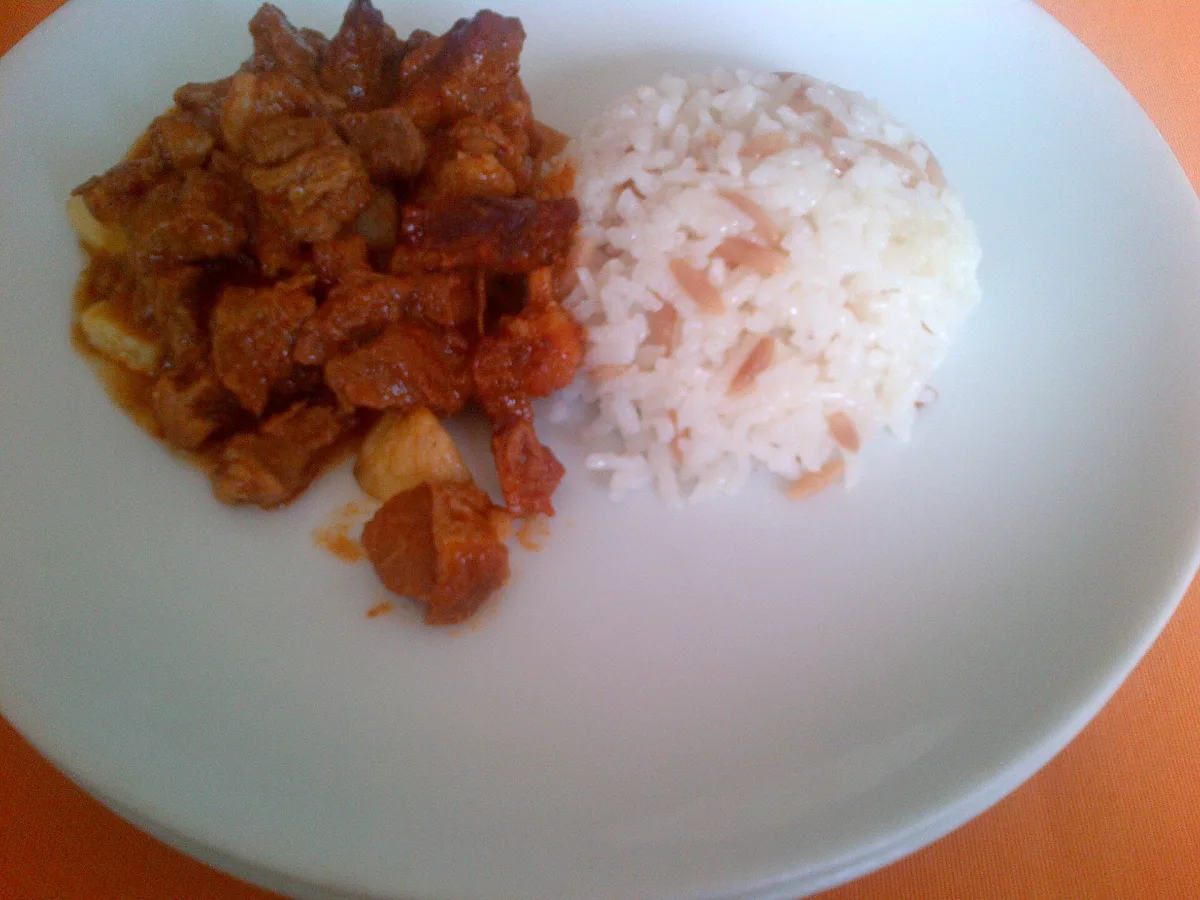
Photo: E4024 / Wikimedia Commons · CC BY-SA 4.0 · https://commons.wikimedia.org/wiki/File:Tas_kebap_(half_portion).jpg
Kebabet Halla is the go-to Egyptian home meal when you want meat with a rich flavor without needing an oven or grill: beef cubes browned in ghee, then simmered with a large amount of onions until the onions completely melt into a thick brown sauce. It contains no tomato paste or flour, and is traditionally served with vermicelli rice or French fries.
Method
-
1
Preparing the Meat
Cut the meat into large 4 cm cubes, trim off any tough membranes but leave a little fat—that's what keeps the kebab tender and gives the sauce its flavor. Pat the meat thoroughly dry with paper towels; wet meat will boil instead of brown.
⏱ 10 min -
2
Preparing the Onions
Grate 1 onion, and cut the rest into thin half-rings. The grated onion melts quickly to form the base of the sauce, while the slices soften slowly to give it texture.
⏱ 8 min -
3
Browning the Meat
Melt the ghee in a heavy pot over high heat, and brown the meat in two batches without overcrowding. At first, it will release water—leave it for 5-7 minutes until the water evaporates and the meat browns on all sides, and avoid stirring constantly.
⏱ 15 min -
4
Adding the Onions
Return all the meat to the pot, add all the onions and half a teaspoon of salt, and stir over medium heat for 10 minutes until the onions soften and turn golden. Scrape the bottom with a wooden spoon; the sticky brown layer is where the sauce gets its color and flavor.
⏱ 10 min -
5
Adding the Spices
Add the black pepper, mixed spices, cardamom, bay leaves, remaining salt, and hot pepper, and stir for 1 minute until the spices become fragrant.
⏱ 1 min -
6
Simmering Low and Slow
Pour in half a cup of hot water, cover the pot tightly, and lower the heat to its lowest setting. Leave it for 1.5 to 2 hours, checking every 20 minutes: if the bottom starts to stick or the sauce dries up, add a quarter to a half cup of hot water only and stir. The onions will release their juices and melt, and the meat will cook in those juices.
⏱ 110 min -
7
Final Reduction
When a fork easily pierces the meat cubes, uncover the pot and raise the heat for 5-10 minutes, stirring until the sauce thickens, glosses up, and clings to the meat. Taste and adjust the salt.
⏱ 8 min -
8
Serving
Remove the bay leaves, and serve Kebabet Halla hot with vermicelli rice, French fries or baladi bread, and a green salad on the side.
⏱ 2 min
Cooked it? Rate it
Your rating tells the next cook whether this recipe is worth their time.
✓ Thanks — your rating is in.
Tips that actually matter
- Cuts with connective tissue and light fat such as shank, shoulder, and neck are best; completely lean meat will dry out during long cooking.
- Want potato Kebabet Halla? Add 3 large diced potatoes during the last 25 minutes along with an extra half cup of water.
- In a pressure cooker: brown the meat, onions, and spices as usual, then add 1 cup of water and cook for 35 minutes from the first whistle, then uncover and reduce the sauce.
- Kebabet Halla tastes even better the next day: the sauce thickens and the flavor deepens. It can be stored in the freezer for up to 3 months.
People also ask
Why does the meat turn out tough in Kebabet Halla?
Because it didn't get enough time, or the heat was too high causing the meat to tighten. Kebabet Halla requires very low heat and at least an hour and a half, plus a cut with connective tissue like the shank. If it's still tough, keep it covered and add a quarter cup of water—there is no shortcut other than a pressure cooker.
The Kebabet Halla sauce turned out as thin as soup—what should I do?
Uncover the pot and let it simmer on medium heat for 10 minutes until the excess water evaporates. To prevent this next time: do not add all the water at once, and make sure the amount of onions equals the meat—the onions thicken the sauce, not flour.
Can I add tomato paste to Kebabet Halla?
Traditional Kebabet Halla is brown without tomato paste, and its flavor comes from the browned onions and ghee. However, many households add a small spoon of tomato paste with the spices for a light red color, which is an acceptable variation—just don't add more than a spoonful so the paste doesn't overpower the sweetness of the onions.
Can I make Kebabet Halla with chicken?
Yes: bone-in chicken thighs cut up the same way, but after adding the onions and spices it will only take 35-40 minutes over low heat. Boneless breasts dry out in this type of cooking, so thighs are better.
Cook mode
Authentic Egyptian Kebabet Halla with Onion Gravy
-
1
Preparing the Meat
Cut the meat into large 4 cm cubes, trim off any tough membranes but leave a little fat—that's what keeps the kebab tender and gives the sauce its flavor. Pat the meat thoroughly dry with paper towels; wet meat will boil instead of brown.
-
2
Preparing the Onions
Grate 1 onion, and cut the rest into thin half-rings. The grated onion melts quickly to form the base of the sauce, while the slices soften slowly to give it texture.
-
3
Browning the Meat
Melt the ghee in a heavy pot over high heat, and brown the meat in two batches without overcrowding. At first, it will release water—leave it for 5-7 minutes until the water evaporates and the meat browns on all sides, and avoid stirring constantly.
-
4
Adding the Onions
Return all the meat to the pot, add all the onions and half a teaspoon of salt, and stir over medium heat for 10 minutes until the onions soften and turn golden. Scrape the bottom with a wooden spoon; the sticky brown layer is where the sauce gets its color and flavor.
-
5
Adding the Spices
Add the black pepper, mixed spices, cardamom, bay leaves, remaining salt, and hot pepper, and stir for 1 minute until the spices become fragrant.
-
6
Simmering Low and Slow
Pour in half a cup of hot water, cover the pot tightly, and lower the heat to its lowest setting. Leave it for 1.5 to 2 hours, checking every 20 minutes: if the bottom starts to stick or the sauce dries up, add a quarter to a half cup of hot water only and stir. The onions will release their juices and melt, and the meat will cook in those juices.
-
7
Final Reduction
When a fork easily pierces the meat cubes, uncover the pot and raise the heat for 5-10 minutes, stirring until the sauce thickens, glosses up, and clings to the meat. Taste and adjust the salt.
-
8
Serving
Remove the bay leaves, and serve Kebabet Halla hot with vermicelli rice, French fries or baladi bread, and a green salad on the side.



Comments
Cooked it? Tell us how it went, or ask a question — we read every comment.