
 Lebanon
50 min
Baba Ganoush With Charred Aubergine
Easy
5 plates
Lebanon · The Levant · 14 recipes
Lebanese cooking is bright, herb-heavy and generous. Lemon, olive oil, parsley and tahini do most of the work, and the mezze table is the point of the meal rather than a prelude to it.
Lebanon
50 min
 Lebanon
40 min
 Lebanon
25 min
 Lebanon
23 min
 Lebanon
95 min
 Lebanon
37 min
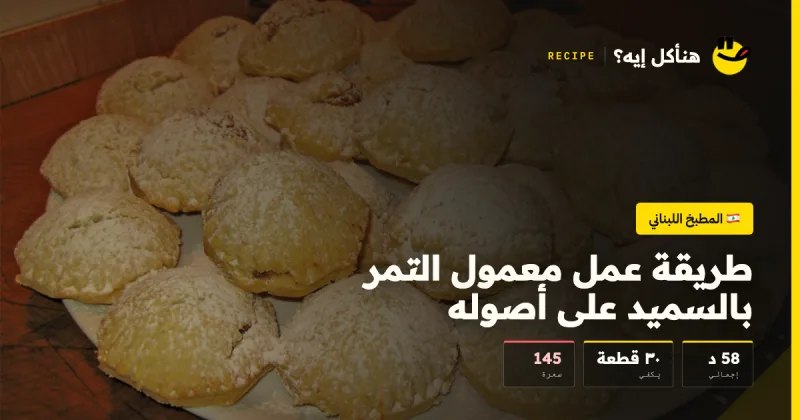 Lebanon
58 min
 Lebanon
25 min
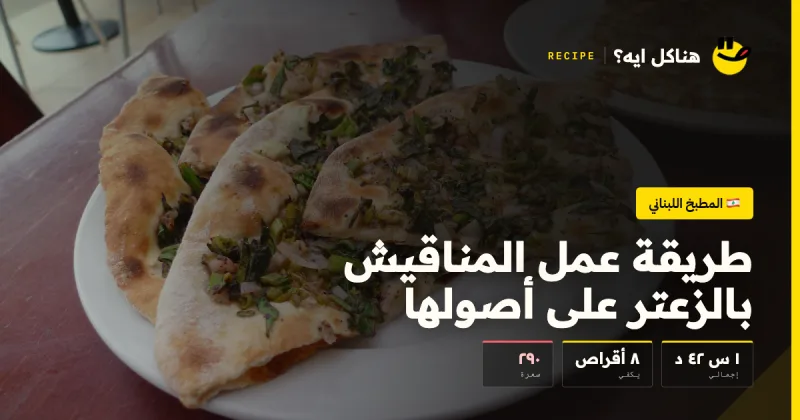 Lebanon
102 min
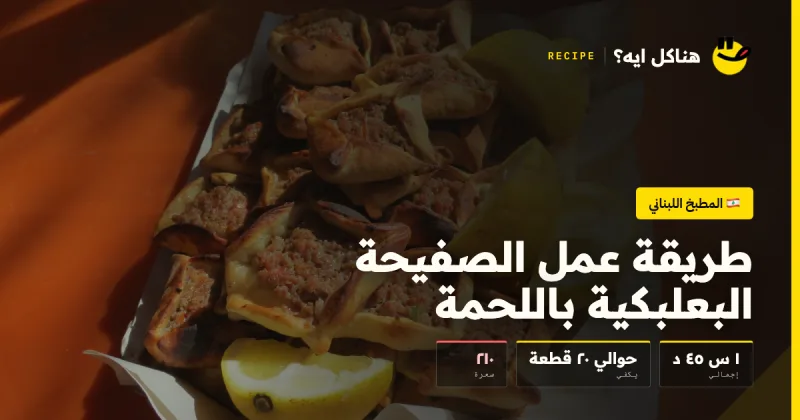 Lebanon
105 min
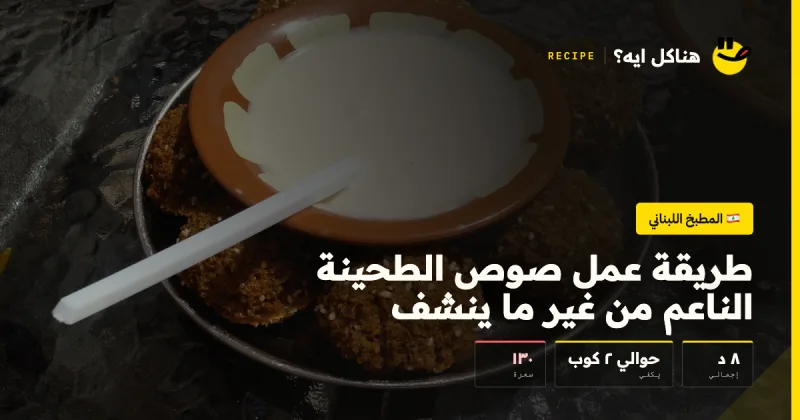 Lebanon
8 min
 Lebanon
28 min
If one Arab cuisine gets described as healthy, it is the Lebanese. The reason is simple: the proportion of vegetables and pulses far exceeds the proportion of meat, and most of the cooking is boiling and grilling rather than frying.
These two appear in almost every dish and are what give Lebanese food its lightness. The classic Lebanese dressing is olive oil, lemon juice, salt and garlic — no cream, no mayonnaise, no sugar.
The most common misunderstanding about Lebanese food is tabbouleh. The original is built on parsley — two cups of finely chopped parsley to two tablespoons of bulgur. Versions that are mostly bulgur with a little parsley are not Lebanese tabbouleh.
Lebanese mezze follows the same idea as Syrian but lighter: hummus, mutabbal, tabbouleh, fattoush, vine leaves in oil, labneh. Manakish is Lebanon's breakfast — thin dough with za'atar, cheese or meat, baked in a stone oven early in the morning.
Sumac is the clearest Lebanese signature: a dry acidity scattered at the end over salads and grills. Without it, fattoush is just an ordinary salad.
All Lebanese Cuisine dishes by name
A list by name, grouped by category, with time and calories.

A guide to Lebanese cuisine: tabbouleh, hummus, fattoush, manakish and sfiha — the ratios, the techniques and the mistakes that ruin them.
4 min readAn AI assistant suggesting from this site’s recipes. Your details are used only to reply to you.
